While Kenya long dominates regional trade, rising energy tariffs, currency swings, and freight costs push industrial capital toward cheaper production bases across Tanzania, Uganda, and Rwanda.
By The Ledger Africa Editorial Desk
Kenya no longer holds an unchallenged monopoly on East African manufacturing. For decades, the region’s largest economy relies on capital market depth, managerial talent, and direct access to maritime shipping lanes through Mombasa to anchor regional industry. Today, that dominance fractures under the weight of rising electricity tariffs, unpredictable foreign exchange movements, port clearance delays, and diverging national tax policies.
Foreign and domestic investors respond with ruthless operational arithmetic. Rather than defaulting to Nairobi, industrial capital relocates and expands where unit costs remain lowest. Heavy industrial plants move toward cheap hydroelectricity and natural gas reserves in Tanzania and Uganda, while specialized assembly operations evaluate Rwanda’s low bureaucratic friction.
Assessing the cost pressures facing the regional private sector, Ahmed Farah, Executive Director of the East African Business Council (EABC), points out: “The East African private sector is grappling with persistent non-tariff barriers, high logistics costs, fragmented regulatory regimes and uneven implementation of regional agreements”.
Reflecting on the competitive shifts taking place within the trading bloc, Rajan Shah, former Chairman of the Kenya Association of Manufacturers (KAM), states: “For Kenya to retain its regional edge, we must address the fundamental cost drivers—electricity, tax multiplicity, and logistical friction—that currently make our neighbours increasingly attractive to industrial capital.”
Power and grids
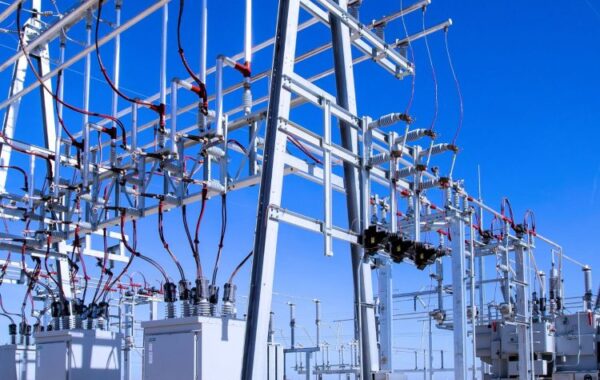
Electricity pricing remains the single largest operational variable deciding profit margins for continuous-run heavy industry, including steel, cement, glass, and chemical processing. A variance of a few cents per kilowatt-hour (kWh) compounds into millions of dollars in additional operating expenditure over a single production cycle.
Kenya operates the region’s largest generation grid at over 3,300 MW, largely supplied by geothermal, hydro, and wind installations. Yet, industrial consumers in Kenya face heavy power tariffs, inflated by fuel cost adjustments, foreign exchange pass-through charges, and system transmission losses.
Highlighting how rising input overheads threaten existing enterprises and reflecting on six decades of industrial evolution across the country, Pankaj Bedi, Director at the Kenya Association of Manufacturers (KAM), observes: “Kenya’s economic narrative today is one of energy and ambition, but beneath this momentum lies a quieter trend where many existing businesses face increasing pressure from rising costs and structural challenges”. He further notes regarding industrial longevity and cost resilience: “As we look at decades of manufacturing heritage, the sobering reality for modern factory floors is that industrial survival relies entirely on predictable input costs and competitive energy pricing”.
Tobias Alando, Chief Executive Officer of KAM, similarly notes the wider economic strain: “Some of the African countries that would be competing with Kenyan manufacturers offer better and more favourable electricity tariffs than Kenya”.
In contrast, Tanzania and Uganda draw on strategic energy assets to reduce baseline industrial rates. Tanzania’s use of domestic natural gas alongside hydro assets, including the 2,115 MW Julius Nyerere Hydropower Station, expands industrial power reserves. Uganda likewise brings online major generation projects, such as the 600 MW Karuma Hydroelectric Power Station, allowing both nations to offer competitive bulk industrial rates.
Addressing the role of power tariffs in national industrialisation, Dr Ruth Nankabirwa, Uganda’s Minister of Energy and Mineral Development, emphasises: “Our tariff strategy for manufacturers is intentional. By providing dedicated bulk rates below international averages, we are turning Uganda’s energy surplus into a catalyst for job creation and industrial processing.”
| Country | Est. Industrial Electricity Tariff (USD / kWh) | Primary Energy Mix Drivers | Grid Reliability & Supply Volatility |
| Kenya | $0.18 – $0.23 | Geothermal, Hydro, Wind | High capacity; subject to FX/fuel surcharge volatility |
| Rwanda | $0.18 – $0.22 | Hydro, Methane, Solar | Improving reliability; higher baseline tariff structure |
| Uganda | $0.10 – $0.14 | Heavy Hydropower (Karuma, Isimba) | Surplus capacity; expanding industrial park grids |
| Tanzania | $0.08 – $0.10 | Hydropower, Natural Gas | Rapidly expanding capacity; competitive bulk pricing |
The logistics matrix
While inland power pricing favours Tanzania and Uganda, supply chain mechanics present a different set of trade-offs. For export-oriented processing and import-dependent assembly operations, maritime access and port velocity dictate inventory holding costs and supply chain stability.
Kenya’s Port of Mombasa, supported by the Standard Gauge Railway (SGR) and established feeder networks along the Northern Corridor, continues to lead in total container throughput and shipping line frequency. Conversely, landlocked manufacturers in Kampala or Kigali must account for overland road transport surcharges per container when moving cargo from coastal ports.
Tanzania’s Central Corridor, anchored by the Port of Dar es Salaam, closes the performance gap following berth modernisations and rail connections extending toward Burundi, Rwanda, and the Democratic Republic of Congo. However, cross-border friction and non-tariff barriers remain recurring operational risks across all regional trade corridors.
Detailing the policy friction caused by inconsistent national measures, EABC Executive Director Ahmed Farah notes: “When exceptions become the norm, the Common External Tariff becomes less common, less predictable”. He adds: “Bring businesses into the budget process early enough for consultation to matter. If the EAC wants intra-regional trade to move toward 40% by 2030, national budgets must stop pulling in different directions”.
Stressing the importance of collective regional production, Jaswinder Bedi, Vice Chairperson of the East African Business Council, urges partner states to “deepen integration, leverage their respective strengths and build cross border value chains to boost regional competitiveness”.
From an academic perspective on regional integration, Dr Andrew Mold, Senior Economist at the United Nations Economic Commission for Africa (UNECA), notes: “Logistical delays and border frictions act as an invisible tax on East African production. Until the EAC fully harmonises border protocols and transport infrastructure, logistics costs will continue to offset domestic manufacturing savings.”
Talent and tax trade-off
Beyond energy and transport links, factory economics depend heavily on labour productivity, land tenure security, and fiscal clarity.
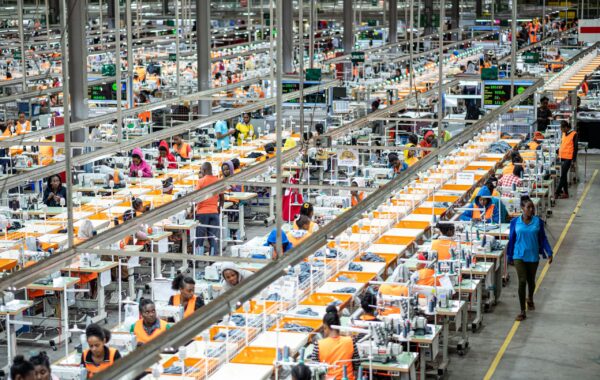
Kenya holds the highest skilled labour density, capital market maturity, and corporate management expertise in the region. However, statutory employee contributions, land lease rates around major industrial zones, and frequent amendments to national tax legislation create ongoing margin pressure.
Tanzania offers lower labour overheads and structured Special Economic Zone (SEZ) frameworks, providing long-term corporate tax holidays for export-oriented production units.
Uganda provides lower baseline labour costs and direct land allocations within Uganda Investment Authority (UIA) industrial parks, though specialised technical and managerial roles often require foreign recruitment or premium salaries.
Rwanda functions as a specialised efficiency hub. While its domestic market remains smaller and electricity tariffs are higher than Tanzania’s, Rwanda consistently delivers low bureaucratic friction, swift property registration, and transparent tax administration.
Addressing the investor perspective on institutional execution, Qimiao Fan, Country Director at the World Bank, states: “Investors hate inconsistency and uncertainty”, pointing directly to the gap between policy formulation and practical implementation across regional economies.
Underlining the necessity of fiscal predictability for industrial investment, Dr Phyllis Wakiaga, former KAM CEO and regional policy expert, states: “Policy volatility is the enemy of long-term capital investment. Manufacturers need predictable multi-year tax frameworks so they can plan supply chains and capital expenditure without constant regulatory shocks.”
Sector alignment: Mapping economics to industry profiles
No single country offers an absolute cost advantage across every manufacturing sub-sector. Factory location decisions ultimately depend on matching a company’s main operational cost drivers against each country’s underlying profile.
| Manufacturing Sub-Sector | Dominant Cost Driver | Recommended Primary Hub | Economic Rationale |
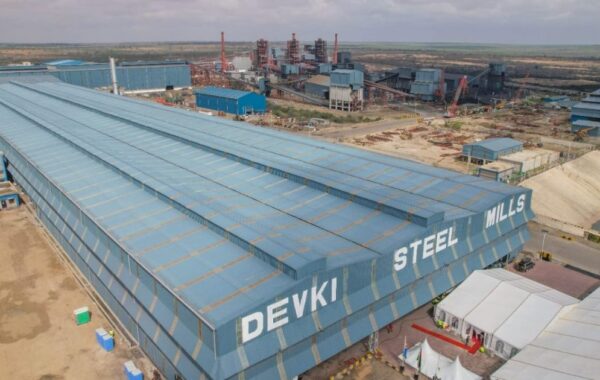
| Heavy & Energy-Intensive (Steel, Cement, Glass, Chemicals) | Bulk Power Tariffs & Raw Material Input | Tanzania / Uganda | Lowest cost per kWh; dedicated industrial bulk power reserves. |
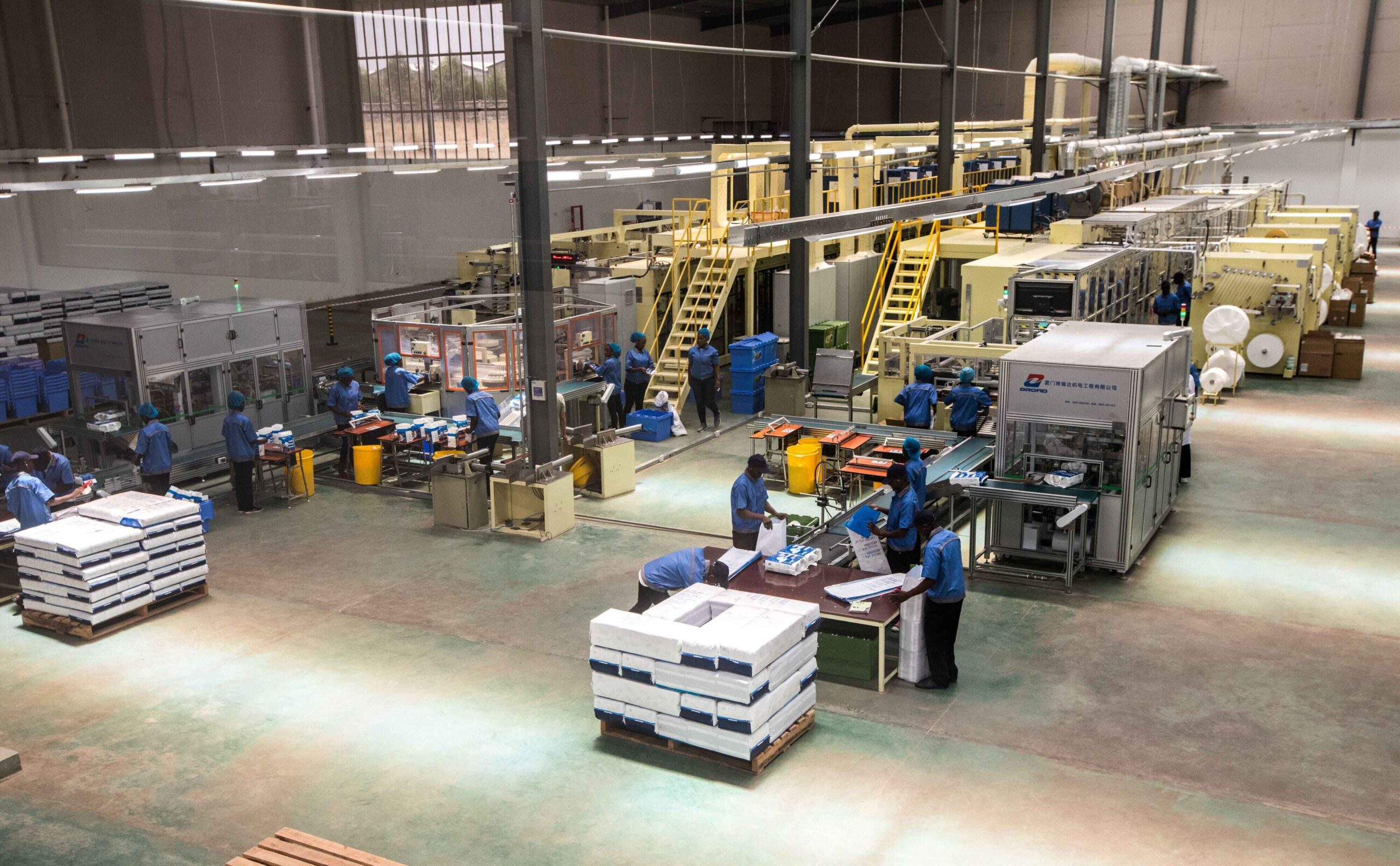
| Light Assembly, FMCG & Tech (Electronics, Pharma, Consumer Goods) | Skilled Labour, Capital Depth & Logistics | Kenya | Strong labour productivity, supplier density, and established port connections. |
Capital flows and what comes next
Industrial capital in East Africa actively adapts to these structural realities. Energy-intensive manufacturers direct new capital expenditure toward Tanzanian and Ugandan industrial parks to secure lower power margins. Meanwhile, high-value consumer goods packaging, pharmaceutical manufacturing, and regional logistics bases remain concentrated around Nairobi to make use of existing financial networks and skilled labour pools.
To maintain its industrial position, Kenya faces clear pressure to deliver dedicated power tariffs for industrial parks, stabilise its tax framework, and lower port linkage expenses. At the same time, Tanzania and Uganda must continue streamlining cross-border customs processes and reducing transit delays to ensure transport friction does not erode their electricity cost advantage.
Summarising the ongoing economic competition among member states, Paul Makanza, Chairman of the Confederation of Tanzania Industries (CTI), remarks: “Tanzania’s industrial growth is not happening by accident. It is the direct result of strategic investments in power, infrastructure, and investment incentives designed to make our business environment genuinely competitive.”
In the end, the East African manufacturing race comes down to basic balance-sheet arithmetic: long-term success belongs to whichever market delivers the lowest unit cost of production to the factory floor.