Market forces are retiring older mobile networks faster than regulators can decree, but a 2030 switch-off leaves millions of feature-phone users facing the cost of transition.
By Our Reporter
Kenya’s legacy telecommunications architecture is quietly expiring, driven less by government decree than by the heavy, unprompted march of consumer migration.
Data from the Communications Authority of Kenya shows that 2G subscriptions fell 27.3 per cent year-on-year to 9.3 million in June 2026, down from 12.8 million a year earlier. The retreat from older networks is even starker in 3G, where subscriptions dropped 39.2 per cent over the same period, tumbling from 7.4 million to 4.5 million.
As older systems empty out, faster connections are absorbing the traffic. By June 2026, 4G subscriptions surged to 48.3 million from 37.2 million in 2025, while 5G connections nearly doubled from 1.2 million to 2.1 million.
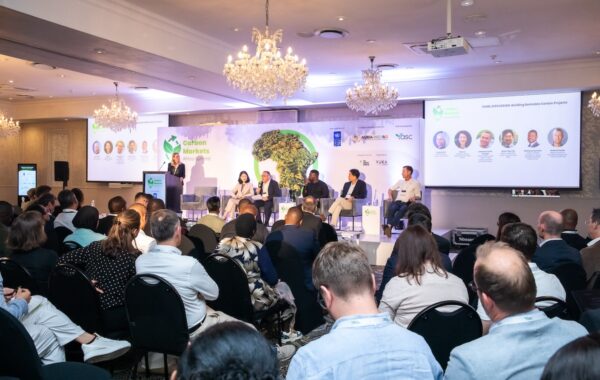
This domestic shift underpins a new continental ambition. Kenya is among 11 African nations targeted by a joint roadmap from the GSM Association and the Partnership for Digital Access in Africa, unveiled on the sidelines of the United Nations General Assembly in New York, to phase out 2G and 3G networks entirely by 2030. The strategy aims to bridge an internet usage gap that GSMA Intelligence estimates still engulfs 906 million people—roughly 60 per cent of the continent’s population.
For mobile operators, maintaining parallel networks across multiple generations of technology drains capital, consumes scarce spectrum, and absorbs operating expenditure that could otherwise fund broadband expansion. Retiring legacy infrastructure frees resources for newer technologies, but the 2030 timeline exposes a friction point between network economics and household purchasing power.
“Africa has already built much of the network foundation for its digital future,” said John Giusti, GSMA Chief Regulatory Officer and President of the GSMA Foundation. “The urgent task now is to close the usage gap by making smartphones and services affordable, equipping people with practical skills, building trust and ensuring connectivity delivers visible value in people’s daily lives.”
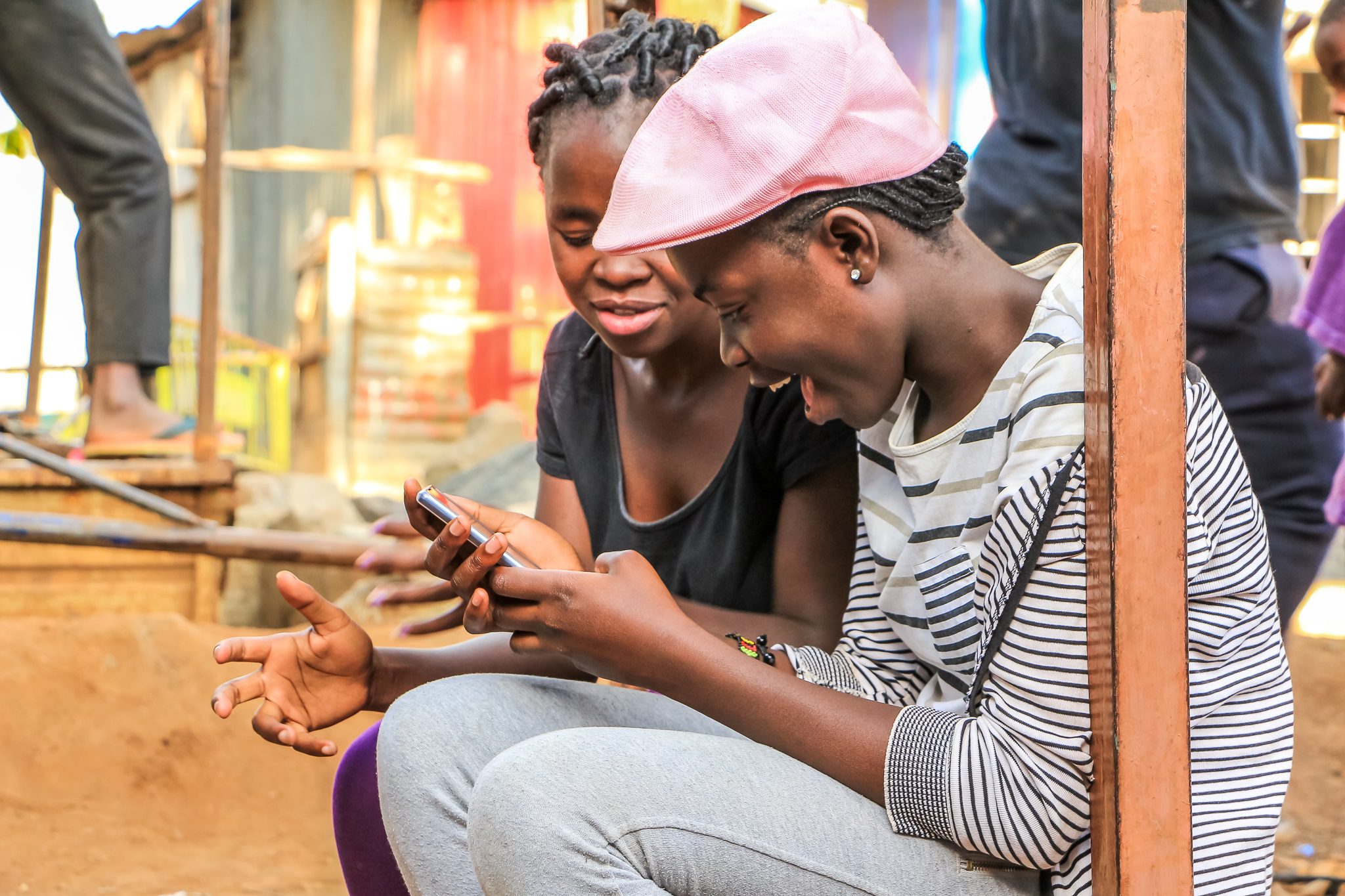
Halving the internet usage gap across the 11 targeted markets—which include Nigeria, Egypt, Ethiopia, South Africa, Ghana, Uganda, Rwanda, the Democratic Republic of Congo, Niger and Senegal—could bring approximately 245 million additional people online. Yet a full switch-off requires every subscriber still tethered to basic feature phones to shoulder the cost of 4G- or 5G-compatible equipment.
“The goal is ambitious, but it is achievable,” said Ellen Johnson Sirleaf, Co-Chair of the PDAA and former Liberian President. “If we bring together connectivity, electrification, affordable devices and digital skills—and if we match Africa’s many promising programmes with the power of genuine public-private partnership—we can ensure that the continent’s digital transformation leaves no community behind.”
Within the East African Community, Rwanda has already established a formal precedent by launching a programme to retire 2G networks. For Kenya, market forces are clearing the path faster than policy mandates, but the final stretch to 2030 will test how quickly millions of remaining legacy users can cross the digital threshold without being left offline.