Narendra Raval has announced a groundbreaking ceremony for a new clinker and cement plant in Kitui. The project comes as Kenya’s cement production and domestic utilisation rise, but its commercial significance will depend on capacity, costs and execution.
By Our Reporter
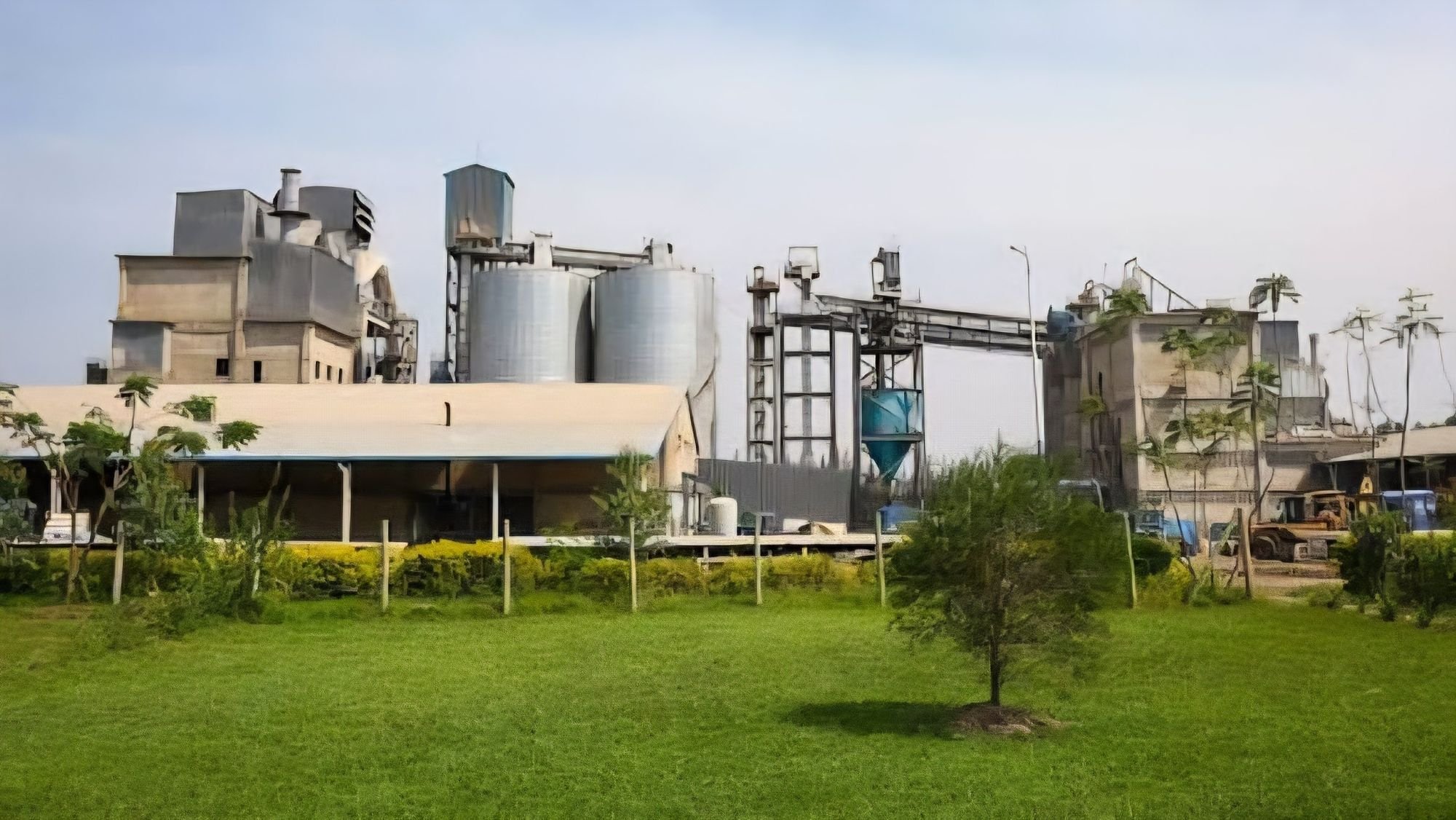
Narendra Raval, chairman of Devki Group, has announced a groundbreaking ceremony for a new clinker and cement plant in Ngaaie, Kitui county, scheduled for October 27. The project, to be developed by National Cement Company, would expand the group’s manufacturing operations in Kenya.
In a statement published on October 24, Mr Raval described the project as a step towards expanding domestic manufacturing capacity. The announcement did not disclose the plant’s planned production capacity, construction cost, expected completion date or projected employment.
Those omissions matter. A new cement plant can add to domestic supply, support industrial activity and create demand for local services. But the scale of those benefits depends on how much the facility produces, how efficiently it operates and whether demand can absorb the additional output.
An earlier report by International Cement Review, published in September, put the investment at KSh50 billion (about US$386 million) and reported that operations were expected to begin in mid-2027. The report did not specify the plant’s planned cement or clinker capacity. These figures have not been confirmed in the latest announcement and should be treated as previously reported project details, rather than a fresh commitment.
A growing market, but more competition
Kenya’s cement industry has been expanding alongside a recovery in construction. According to the Kenya National Bureau of Statistics’ Economic Survey 2026, cement production rose from 8.85 million tonnes in 2024 to 10.44 million tonnes in 2025, an increase of about 18%. Domestic consumption and stocks rose from 8.54 million tonnes to 10.28 million tonnes over the same period.
The figures point to a market with stronger demand and rising domestic output. They do not, on their own, establish how much spare production capacity exists or whether the market needs another plant. Nor do they reveal the margins earned by individual manufacturers.
For Devki, the commercial case will depend on the relationship between the cost of building and operating the facility and the revenue its output can generate. Cement is heavy relative to its value, making transport costs an important factor in where manufacturers produce and sell it. A plant closer to raw materials and customers may have a cost advantage, but that advantage depends on the quality of its logistics, energy supply, production efficiency and access to markets.
Clinker, the intermediate material produced by heating limestone and other ingredients, is a key input in cement manufacturing. Integrating clinker production with cement production can reduce reliance on externally sourced supplies. It also requires investment in additional equipment and energy-intensive industrial processes.
The Kitui project’s eventual contribution to lower costs or more reliable supply will therefore need to be measured against its actual operating performance, rather than inferred from its location or size of investment alone.
The test extends beyond the factory
The project could create opportunities for Kitui businesses through construction, transport, equipment supply and other services. Permanent employment would depend on the plant’s staffing requirements once operational. The number of jobs, the share filled by local residents and the value of contracts awarded to local suppliers remain unconfirmed in the available announcement.
Environmental management will also be important. Cement manufacturing and clinker production require careful control of dust, emissions, energy use and industrial waste. The project’s environmental assessment, applicable licences and proposed mitigation measures would help establish how these risks are to be managed. The groundbreaking announcement does not provide those details.
There is a wider industrial question, too. More domestic production can reduce dependence on imported materials and strengthen local manufacturing. But capacity alone does not guarantee lower prices for builders or households. That depends on competition between producers, the cost of energy and transport, distribution margins and the strength of demand.
The next milestones are concrete ones: confirmation of the investment cost and financing, disclosure of production capacity, progress against the construction schedule, and evidence that the plant can operate at a competitive cost.
For now, Devki has announced a significant industrial project, while some of its essential commercial details remain unconfirmed. The real test will come when construction advances, production begins and the plant demonstrates what it can contribute to Kenya’s cement market.