Online shops and financed scooters, with Kenyan terms still to come
By NewsBeat Desk
Store2Door, a Johannesburg-based online retail and delivery platform, says it plans to enter Kenya and Nigeria in the second quarter of 2027. It describes itself as still in discussions with industry players in both markets. It has not named partners or announced Kenyan terms.
The platform offers small sellers an online shop with no setup or monthly fee. It links them to suppliers, payment services and delivery drivers. In South Africa it plans to start with liquor delivery on 28 October. From 1 November, it says, eligible retailers may use their homes as small stock points. Alcohol sales and home storage remain subject to licensing rules.
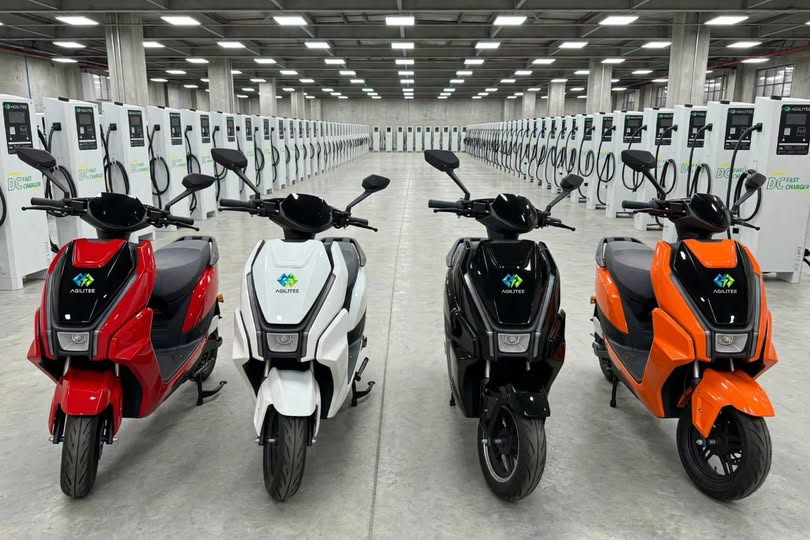
The model depends on credit for delivery vehicles. Store2Door is working with electric vehicle maker Agilitee. A scooter costs R60,000 (about KSh470,000), repaid over 24 months at the prime lending rate less two percentage points. Prime is the benchmark rate South African banks use to price loans. Applicants need no deposit or collateral, but must show a South African identity document, proof of residence and a one-page business plan. The company has not said whether the same terms would apply in Kenya.
Agilitee presents the credit as a way to lower the cost of entering delivery work. Owethu Ngxanzana, its general manager for special projects, told Kenyan media “we know how hard things are for our people.” The terms are reported inconsistently, however. The media described a 10-year partnership with full financing and repayments linked to delivery earnings. The Standard’s account describes a fixed 24-month term. Neither report says who funds the loans or who carries the loss if a rider defaults.
The company’s targets are ambitious. It says it received more than 12,000 pre-registrations in 72 hours. It aims to onboard 10,000 stores by December 2026, each supporting an owner and two drivers. That would mean 30,000 jobs. Chief executive Vince Chase said the aim goes beyond liquor: “We are not launching a liquor service. We are launching 100,000 new businesses.”
These are projections, not results. A pre-registration is not a trading store. The company also says participating businesses could earn R8,000 to R25,000 a month in the festive season (about KSh62,000 to KSh195,000). It does not say whether that is revenue or profit, or whether scooter repayments come out of it. Repaying R60,000 over 24 months costs at least R2,500 a month before interest. If one scooter serves one seller, that is nearly a third of the lowest projected figure.
The rollout schedule also raises a question. Capital FM reported that the first 200 scooters are due on 28 October. The company has not said how many of its 10,000 target stores would need a scooter, or how the rest would deliver.
For Kenya, the open questions are practical. There are no announced partners, no financing source, no pricing and no account of how licensing for alcohol and home stock would work. Store2Door’s South African terms rely on South African identity documents, so they cannot simply be carried across.
The first test comes within weeks. Watch how many stores are trading, not just registered, after the 28 October launch. Watch how many scooters are deployed. Watch whether Kenyan terms and partners are published before the second quarter of 2027.