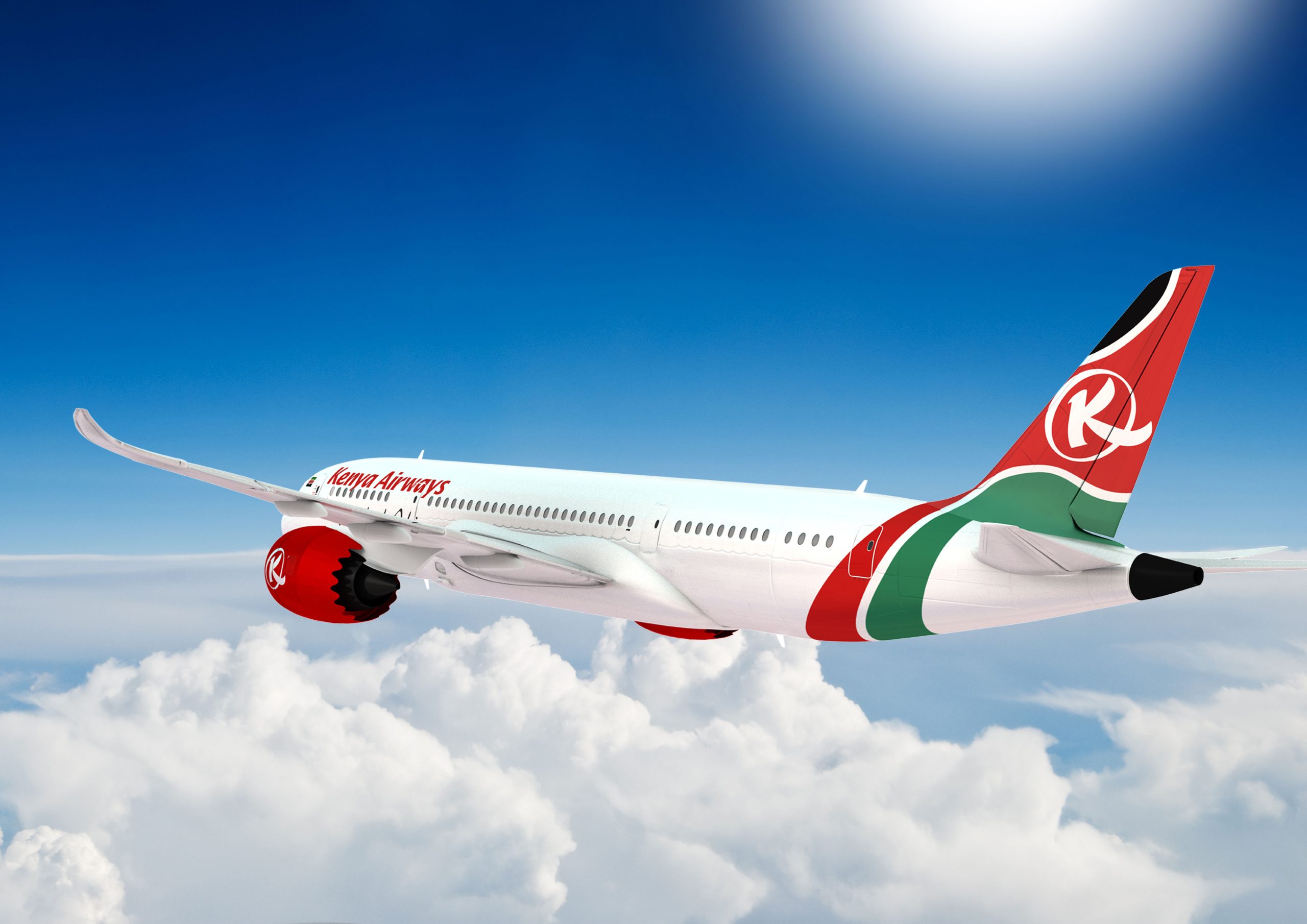
Project Kifaru gathers pace as the national carrier pairs Sabre’s reservation engine with Branchspace’s retail layer to replace a twenty-year-old system.
By Our Reporter
NAIROBI—For more than two decades, the operational pulse of Kenya Airways was governed by a single piece of aging software. Reservations, ticketing, inventory management and airport check-in all flowed through a legacy backbone that anchored the carrier through financial turbulence, fleet restructuring and regional expansion.
That system is now being retired.
The national carrier has announced a dual-vendor technology overhaul, pairing American travel technology firm Sabre with London-headquartered consultancy Branchspace to rebuild how the airline processes bookings and presents itself to travellers. The transformation forms a central workstream within Project Kifaru, the multi-year turnaround strategy that helped steer Kenya Airways back to profitability in 2024 with an after-tax profit of KES 5.4 billion, following more than a decade of losses.
Under the agreement, Sabre will replace the airline’s core passenger service system (PSS) with its cloud-native Sabre Mosaic platform. At the same time, Branchspace will deploy its Triplake digital commerce architecture to serve as the airline’s primary customer-facing e-commerce layer from day one.
The structuring of the deal reveals a calculated sequencing choice. Rather than executing a high-risk, single-day switchover that attempts to modernise storefronts and backend databases simultaneously, Kenya Airways is separating the digital shopfront from the core engine room.
“This is an important transformation of Kenya Airways’ technology and digital retailing capabilities,” said Julius Thairu, the airline’s Chief Commercial and Customer Officer. “The combination of digital commerce and a new PSS foundation will help us create a more flexible and personalised experience for our customers and staff, and enable a seamless transition towards the future of airline retailing.”
The deployment gives commercial teams immediate control over personalised fares, ancillary bundling and dynamic pricing across digital touchpoints via Branchspace’s platform, while the deeper migration to Sabre Mosaic’s offer-and-order architecture proceeds behind the scenes.
For commercial aviation observers, the move aligns the carrier with the International Air Transport Association’s New Distribution Capability (NDC) standards. The transition shifts the airline away from rigid, legacy fare classes toward continuous-learning pricing models designed to match traveller demand in real time.
Niklas Andréen, Chief Commercial Officer for Airline Technology at Sabre, noted that the project reflects a wider industry shift.
“This decision reflects growing confidence in modular technology that enables carriers to unlock value today while building toward an offer-and-order future,” Andréen said.
For customers, the system upgrade is intended to translate into more intuitive self-service booking tools, streamlined handling of the airline’s Asante Rewards loyalty programme, and faster, more automated rebooking options when flight disruptions occur across the carrier’s network of 42 destinations—35 of which are on the African continent.
David Turton, Chief Technology Officer at Branchspace, argued that the arrangement is designed to give African carriers greater independence over their commercial strategies.
“Kenya Airways is taking a bold step in their transformation to a modern retailer,” Turton said, “and we’re proud that our capabilities will be central to making that vision real from day one.”