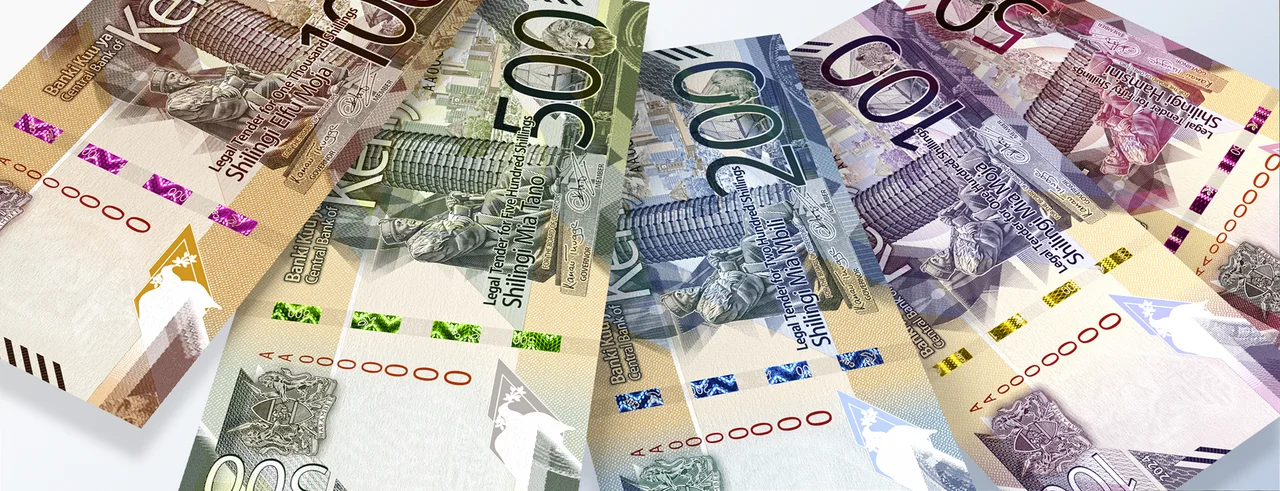
Shrinking foreign exchange reserves put Kenya’s monetary strategy under scrutiny, even as the local currency holds firm against the US dollar.
By Kirimi Mbogo
A sharp weekly contraction in Kenya’s foreign-exchange buffers has raised fresh questions over the central bank’s intervention costs and sovereign debt obligations, even as the local currency maintains a tight grip against the US dollar.
Data released by Central Bank of Kenya (CBK) Governor Kamau Thugge showed that official reserves fell by $221 million (approximately KSh 28.61 billion) in the week ending August 27, 2026. The national reserve account slipped from $15.155 billion (KSh 1.96 trillion) recorded on August 20 to $14.934 billion (KSh 1.93 trillion) by the close of the reporting window.
The slide marks the steepest single-week drop in a four-week erosion that began on July 30, when reserves stood at $15.400 billion (KSh 1.99 trillion). Cumulative drawdowns over the month-long period now stand at roughly KSh 60.32 billion ($466 million).
Despite the sustained drain on external liquidity, spot markets in Nairobi showed virtually no reaction. The Kenyan shilling exchanged at KSh 129.47 per US dollar on August 27, moving marginally from KSh 129.49 per dollar recorded seven days earlier.
“The near-flat exchange rate suggests that the reserve drawdown did not translate into significant currency depreciation during the period under review,” the CBK stated in its weekly economic bulletin, noting that the currency “remained largely stable against major international and regional currencies.”
Financial analysts in East Africa monitor sustained reserve drawdowns closely as potential lead indicators of underlying exchange rate pressure, import coverage squeeze, or heavy state debt servicing behind closed doors.
The reserve drop coincides with recalibrated growth forecasts from the National Treasury. Government planners expect real gross domestic product to expand by 5.0% this year before edging up to 5.1% in 2027 and 5.2% in 2028. The 2027 outlook reflects a slight trim from the 5.2% target published by the finance ministry in June.
In its policy statement, the National Treasury maintained that the administration “is still dedicated to adopting a responsible fiscal policy that protects priority development investment while preserving macroeconomic stability.”
However, market watchers caution that defending the shilling while servicing external debt will test the central bank’s reserve strategy if foreign inflows fail to match the pace of official outflows over the coming quarters.