Capitalism meets statecraft on the Kenya coast
By Our Reporter
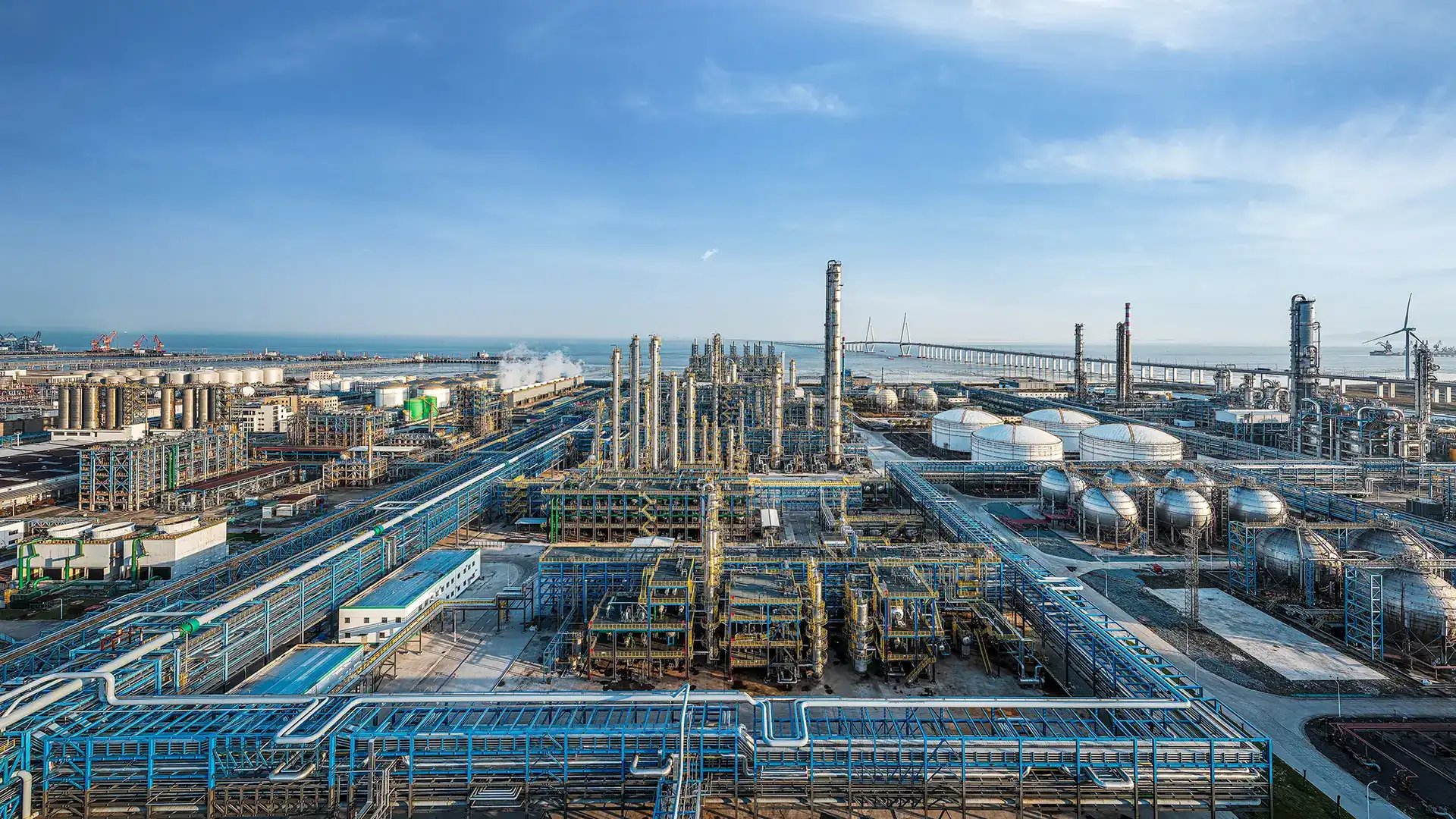
NAIROBI—Sixteen billion dollars is a staggering sum for a plot of scrubland in Lamu, but Aliko Dangote has rarely shied away from large balance-sheet gambits. Africa’s wealthiest industrialist is hawking a 30% equity stake in his latest mega-project—a proposed 700,000-barrel-a-day crude refinery on Kenya’s northern coast—to a bloc of East African governments.
Nairobi, predictably, is being asked to anchor the syndicate. David Ndii, chief economic adviser to Kenyan President William Ruto, confirmed that Kenya could pony up $500m for a 10% slice, with regional neighbours Ethiopia and Rwanda earmarked to digest the rest. Speaking at a capital markets forum in Nairobi, Mr Ndii laid out the corporate-meets-sovereign arithmetic plainly: “The total for the region is about $1.5 billion.”
The economic logic rests on classic import substitution. East Africa’s systemic reliance on foreign refined petroleum remains a persistent structural drag, draining scarce foreign-exchange reserves and leaving regional current-account balances redolent of perpetual distress. A local refining hub theoretically solves the problem by replacing pricey European and Asian fuel shipments with domestic gasoline, diesel, and derivative products.
Yet executing mega-projects in emerging markets is rarely a frictionless exercise. Total outlays for the core facility are pegged at $16bn, though adding an adjacent petrochemical complex and deep-water port infrastructure pushes the total projected bill closer to $20bn, according to Mr Ndii. Groundbreaking is tentatively slated for September, with construction targeted to take three to five years.
Private investors remain watchful. Mr Dangote’s 650,000-barrel complex outside Lagos proved his conglomerate can build mega-industrial infrastructure at scale, even if cost overruns and delays are part of the bargain. But the East African market presents distinct commercial hurdles: crude must be shipped into Lamu, refined efficiently, and then distributed across cross-border supply chains that remain notoriously fragmented.
For Nairobi, the upside is strategic—guaranteed fuel security and a regional energy hegemony that reinforces Kenya’s position as East Africa’s economic anchor. For Mr Dangote, selling a $1.5bn equity block before a single shovel hits dirt is sound corporate risk management, offloading early-stage execution risks onto sovereign treasuries. Whether East Africa’s indebted governments can actually fund their commitments without stretching their sovereign debt profiles—or whether the plan stalls in diplomatic wrangling over transit tariffs—remains an unresolved question. Still, the market’s appetite for industrial self-sufficiency remains strong, even if the execution risks are high.