As Kenya generates nearly 900,000 tonnes of plastic waste annually, processing enterprises are trying to outgrow their dependence on donor funding. A close look at specific operators reveals whether recycling can survive on commercial merit alone.
By Kirimi Mbogo
For years, the narrative of waste management in Kenya has been written in hues of environmental crisis: overflowing dumpsites like Dandora in Nairobi, clogged drainage systems, and thousands of tonnes of plastic leaking into nature. Yet behind the pollution lies a massive, unstructured resource stream. Kenya generates approximately 880,000 tonnes of plastic waste each year, of which only a fraction (variously estimated between 3% and 8%) is formally recovered and recycled.
Proponents of the circular economy argue that this untapped stream represents a multi-billion-shilling commercial opportunity. But a central, unaddressed question lingers across the sector: Which recycling, repair, or reuse models can cover their operating costs and grow without permanent dependence on grants and development aid?
To answer this, Circular Shift followed a single material stream from informal settlement collection points to industrial processing floors in Nairobi: post-consumer High-Density Polyethylene (HDPE) and Polyethylene Terephthalate (PET). By examining enterprise accounts, transport bottlenecks, and buyer contracts, the reality of Kenya’s circular economy emerges as a delicate balance between social necessity and harsh unit economics.
Feedstock: The informal backbone and cost pressures
Every viable recycling model begins with reliable feedstock. In Kenya, this supply chain does not start with municipal garbage trucks or corporate green initiatives; it relies almost entirely on an informal network of waste pickers and local aggregators who supply commercial processors such as Mr Green Africa and TakaTaka Solutions.
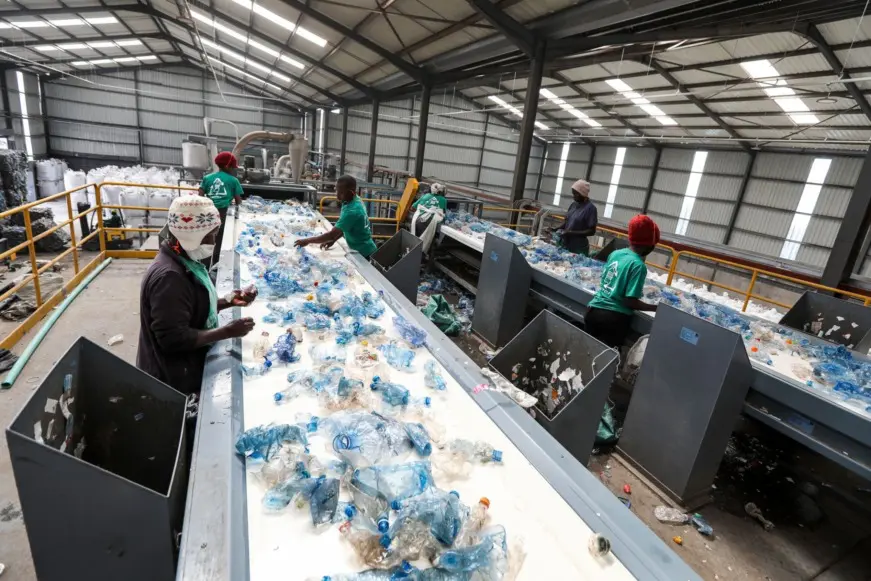
Operating in informal settlements such as Kibera, Mathare, and Korogocho, these pickers manually separate bottles, containers, and films from mixed municipal solid waste. While this decentralized recovery keeps urban centres from choking on refuse, it creates severe volatility for industrial processors through quality inconsistency (where feedstock is frequently contaminated with organic matter, dirt, or mixed polymer types that degrade the final output) and intense price competition. As more aggregators enter the market, competition for clean scrap drives up gate prices, with processors reporting that raw material acquisition accounts for up to 60% of their operational expenditure.
“Securing the volume is never the hard part; securing clean, uniform volume without bloated transport costs is where margins bleed,” notes an operations manager at a mid-sized Nairobi-based plastic recycling enterprise.
Transport, processing, and unit economics
Once aggregated, scrap materials face the logistical hurdle of urban transport. Moving bulky, low-density plastic waste across Nairobi’s congested corridors on diesel-powered trucks imposes heavy transport overheads. Firms like Nairobi Recyclers and PETCO-affiliated aggregators constantly juggle fleet logistics to keep transport costs from eclipsing material value.
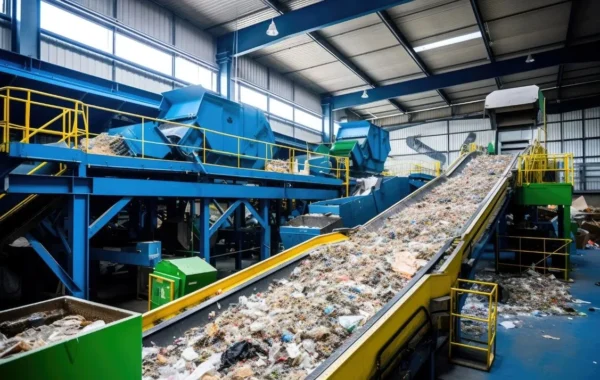
Inside the processing plant, technology dictates commercial survival. Basic washing, crushing, and pelletizing lines require consistent electrical power and water supplies (both subject to local tariff fluctuations). Enterprise accounts show that electricity and equipment maintenance consume a significant share of value-addition costs.
To achieve break-even without donor support, a recycling plant must maintain high capacity utilization. Yet, because feedstock supply fluctuates with seasonal waste generation and informal sector strikes, plants often operate at 50% to 60% capacity, lengthening the payback period on capital investments.
Buyer demand and the corporate offtake dilemma
The ultimate test of a circular business model is not how much waste it diverts, but who buys the finished output and at what price.
Recyclers generally sell washed flakes or extruded pellets back to fast-moving consumer goods (FMCG) brand owners or local manufacturers (such as Bidco Africa, Coca-Cola Beverages Africa, and Unilever Kenya) who use them for secondary packaging. On paper, demand is growing as multinational corporations face mounting regulatory pressure from the National Environment Management Authority (NEMA) and internal environmental targets to incorporate recycled content into their packaging.
However, price parity remains a major friction point. Recycled plastic pellets must compete economically with virgin plastic resin. When global crude oil prices dip, virgin plastic becomes cheaper, squeezing the margins of local recyclers who cannot easily pass cost increases onto price-sensitive domestic consumers. Viable enterprises survive only by securing long-term offtake agreements with multinational brands willing to pay a slight premium for certified circular content (a luxury smaller, unbranded processors do not enjoy).
Worker conditions and environmental trade-offs
A rigorous examination of the circular economy must account for its human and ecological costs. At the base of the chain, informal waste pickers (the foundation of the entire system) operate largely without formal labor protections, health insurance, or safety gear, facing risks from toxic materials and heavy machinery. While social enterprises and specialized collectors like Mr Green Africa have introduced formal sorting centers and digital tracking to improve traceability and worker onboarding, safety standards across independent collection yards remain poor.
From an environmental standpoint, carbon emission reductions are substantial, as recycled plastics save significant energy and fossil fuel inputs compared to virgin production. However, local processing trade-offs persist. Washing and recycling lines consume large volumes of water and generate wastewater that requires strict effluent management to prevent secondary pollution in municipal drainage systems.
The next test
Kenya’s circular economy is transitioning from an aid-dependent environmental movement into a hard-nosed industrial sector. The models proving most resilient are those that bypass middle-tier inefficiencies by investing directly in aggregator networks, securing guaranteed corporate offtake contracts with firms like Coca-Cola and Unilever, and leveraging government incentives such as VAT exemptions on recycling equipment.
Yet, for waste to truly become a self-sustaining business without permanent life-support from grants, the sector must overcome fragmented value chains, improve sorting at the source, and lock in long-term pricing structures that insulate processors from global oil price shocks. The next test for Kenya’s recycling enterprises will be whether they can scale their operations fast enough to turn high-volume trash into dependable, low-cost margin.