As countries compete to secure critical minerals and clean-energy industries, Africa faces a strategic choice. It can remain a source of raw materials or compete for a greater share of processing, technology, manufacturing and the jobs these activities create.
By The Ledger Africa Editorial Team
Africa supplies minerals essential to the global energy transition, yet much of the processing and manufacturing value is captured elsewhere. The challenge is to turn its deposits of cobalt, copper, lithium and graphite into competitive industries before the opportunity passes.
The International Energy Agency (IEA), in its 2025 report Stepping Up the Value Chain in Africa, estimates that the continent captures less than 1% of the value generated by manufacturing clean-energy technologies and their components. Yet Africa supplies about 70% of global cobalt demand, 75% of manganese and nearly 20% of copper.
The imbalance has prompted a fresh push for mineral processing, regional manufacturing and industrial investment. But mineral wealth is only a starting advantage. Reliable electricity, affordable finance, infrastructure and access to customers will determine whether African countries can turn it into lasting economic gains.
At a critical minerals forum in Abidjan in July 2026, Hanan Morsy, Deputy Executive Secretary and Chief Economist of the United Nations Economic Commission for Africa (ECA), put the challenge plainly: “But opportunities do not transform economies. Strategy does.”
The value lies beyond the mine
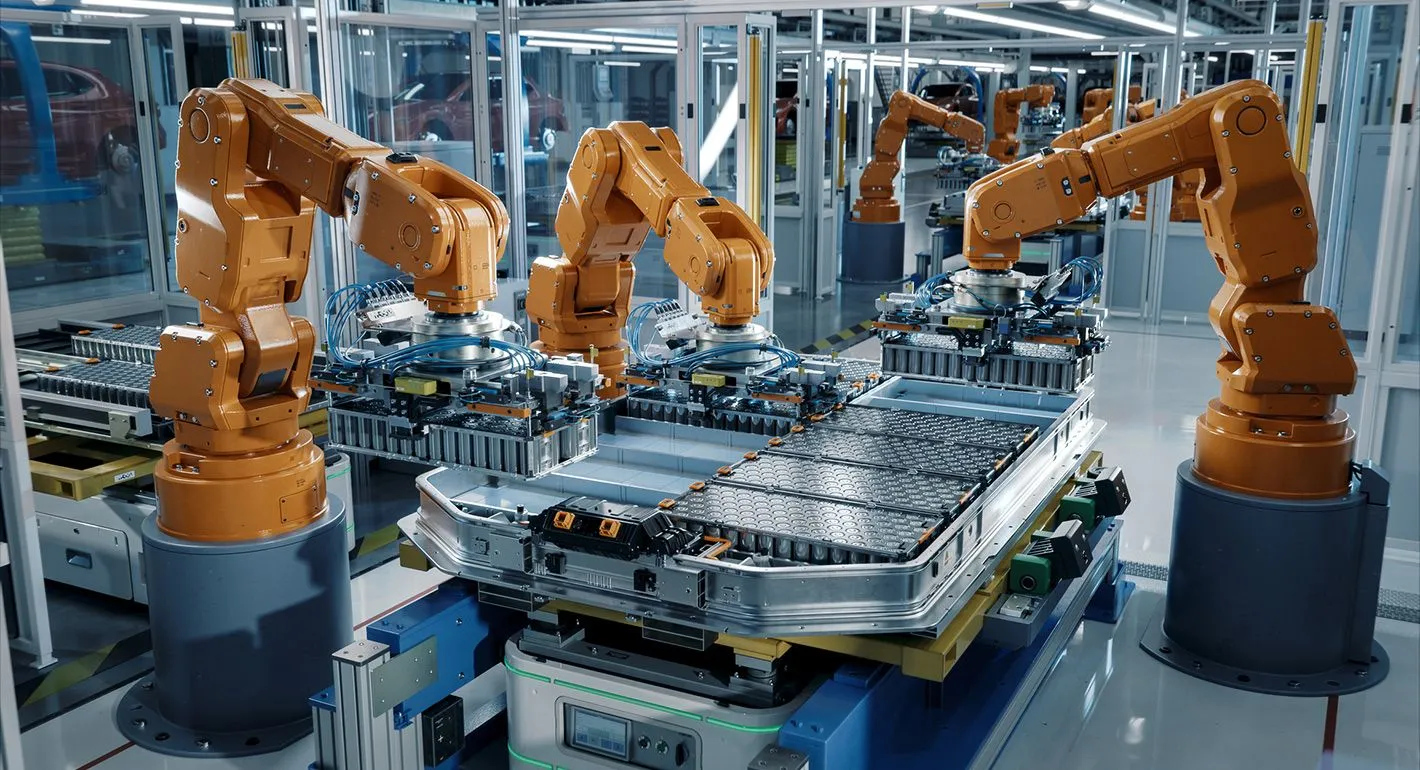
A battery supply chain extends well beyond extraction. Minerals must be processed and refined before they can become the chemicals and components used in batteries. Manufacturing cells and complete battery systems requires further investment, technical expertise and quality control.
The IEA identifies opportunities across the continent. East African countries could develop graphite processing for battery anodes. South Africa and Gabon could expand high-purity manganese processing, while Morocco could increase production of purified phosphoric acid. The Democratic Republic of Congo (DRC) and Zambia could build on their copper and cobalt resources to produce processed materials.
Each opportunity has different economics. Processing a mineral may be achievable where battery-cell production is not. The objective should be to capture more value through commercially viable activities, rather than pursue every stage of manufacturing regardless of cost.
The Organisation for Economic Co-operation and Development (OECD), in its October 2026 assessment of critical minerals in Africa, identifies infrastructure, affordable finance, reliable electricity, skilled workers and regulatory stability as essential conditions for local value addition. Without them, production costs rise and local manufacturers struggle to compete.
That is the central tension. African governments want more industrial activity at home, but a refinery that produces at a higher cost than established competitors may struggle to survive without continuing support.
Morocco moves into battery materials
Morocco offers a practical example of how existing industrial capabilities can help attract investment.
In June 2025, COBCO, a partnership between Moroccan investment group Al Mada and Chinese battery-materials producer CNGR Advanced Materials, inaugurated the first phase of a complex at Jorf Lasfar. The facility began commissioning production lines for precursor cathode materials used in lithium-ion batteries.
The project connects industrial investment with Morocco’s existing manufacturing base and access to overseas markets. Its wider plans include refining critical metals and recycling materials recovered from used batteries.
The next stage of Morocco’s ambitions received support in July 2026, when the African Development Bank approved a €100 million loan for Gotion Power Morocco’s proposed integrated lithium iron phosphate battery factory. The first phase is planned to produce 10 gigawatt-hours of battery cells and packs annually, with potential expansion to 100 gigawatt-hours. These are project targets, not evidence that the full capacity is already operating.
Kevin Kariuki, the bank’s vice-president for Power, Energy, Climate and Green Growth, said: “Battery storage is the missing link in Africa’s clean energy transition.”
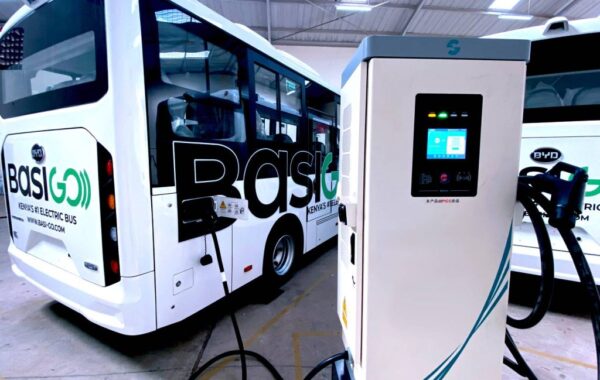
The investment case extends beyond electric vehicles. Batteries can store electricity generated by solar and wind installations, helping balance supply and demand. Domestic manufacturing could therefore serve both transport and energy markets, although actual demand will depend on costs, infrastructure and purchasing power.
Morocco’s advantage illustrates why industrial location matters. Mineral deposits alone do not determine where manufacturing succeeds. Established suppliers, transport links, technical skills and access to customers can be equally important.
The Copperbelt’s regional bet
The DRC and Zambia are pursuing a different approach, based on their shared copper and cobalt resources.
In March 2023, the ECA and Afreximbank signed a framework agreement supporting special economic zones for battery and electric-vehicle production in the two countries. The initiative seeks to connect mineral extraction with processing and manufacturing.
The regional model makes economic sense in principle. Few countries possess every ingredient needed for a complete battery industry. Cooperation could allow countries to specialise, share infrastructure and supply a larger market.
But the initiative still faces practical tests. Investors need reliable electricity, efficient transport, predictable customs procedures and confidence that policies will remain stable. The International Institute for Sustainable Development, in an October 2026 assessment of the initiative, recommended simpler regulations, stronger coordination and improvements to infrastructure and logistics.
Export restrictions cannot solve these problems on their own. They may encourage local processing, but if domestic plants cannot operate competitively, they risk raising costs without creating viable industries.
Electricity is the industrial test
The scale of the energy challenge is illustrated by Guinea, which is seeking to expand its bauxite industry into alumina refining and eventually aluminium production.
In a Reuters report published on 19 October 2026, Daouda Diakite, a senior adviser to Guinea’s mines minister, said the country generated about 1,000 megawatts of electricity but needed between 5,000 and 10,000 megawatts to support its industrial ambitions.
“The main issue is infrastructure and energy, mostly energy,” Diakite told Reuters.
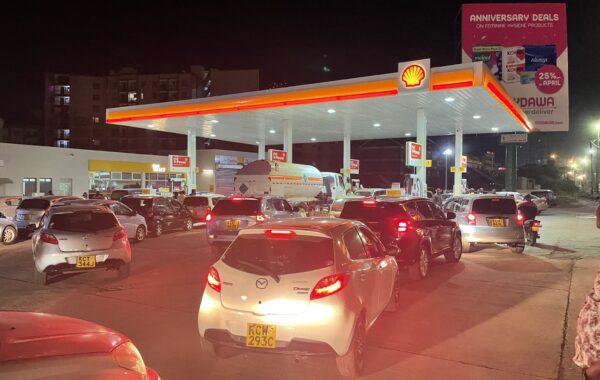
The comparison captures the difficulty of industrialisation. Mineral deposits may attract investors, but energy-intensive processing requires power that is both dependable and affordable.
South Africa provides a warning. Mzila Mthenjane, chief executive of Minerals Council South Africa, told Reuters that the country’s experience offered a clear lesson: “how important energy supply reliability and affordability are to industrialisation.”
High electricity costs have weakened the competitiveness of South African ferrochrome smelters, while cheaper power has helped manufacturers elsewhere expand processing capacity. Mineral ownership does not guarantee that the associated industry will remain in the country.
The market will decide
Battery chemistry introduces another uncertainty. Lithium iron phosphate batteries do not require cobalt or nickel in their cathodes, so changes in technology can alter demand for individual minerals. Investors cannot assume that every mineral will benefit equally from electrification.
African governments need to assess projects against realistic forecasts, production costs and customer commitments. Tax incentives and local-content requirements can encourage investment, but they cannot permanently compensate for uncompetitive operations.
Environmental and social obligations also belong in the calculation. Processing can generate waste, place pressure on water supplies and expose workers and communities to pollution. Industrial development will be more durable when these costs are managed transparently and local communities can see measurable benefits.
At the July 2026 critical minerals forum, African Development Bank president Sidi Ould Tah called for a new relationship between Africa and international partners over the management of its resources. The bank’s statement emphasised the need for regional value chains, local processing and competitive industries rather than continued reliance on raw mineral exports.
The wider prize is an industrial base that can support skilled employment, local suppliers and technological development beyond mining. That will require investment in electricity, transport, training and predictable regulation, as well as coordination between neighbouring economies.
Africa has the minerals to compete in the battery economy. The harder task is to build businesses that can process them, manufacture products and win customers on commercial terms. The continent’s success will be measured not by what lies underground, but by the productive capacity it builds above it.