By converting municipal plastic pollution into high-grade classroom assets, a Gatwikira workshop is pioneering a localised, closed-loop industrial chain that bypasses costly imports, creates green micro-jobs for urban youth, and delivers critical cognitive training to schools in Nairobi’s informal settlements.
By Our Staff Writer
Amid the severe waste management challenges confronting East Africa’s urban centres, a grassroots manufacturing initiative in Nairobi is converting environmental refuse into intellectual capital. By collecting, cleaning, and moulding local polypropylene waste into durable, tournament-quality chess sets, social enterprise Kijiji Solutions is addressing two systemic hurdles simultaneously: municipal plastic pollution and acute resource scarcity in informal education.
From slum refuse to strategic asset
Informal urban settlements like Kibera generate heavy volumes of non-biodegradable waste daily, straining municipal collection infrastructure and clogging localised drainage channels. Concurrently, public and community-funded schools operate under tight budgetary constraints, leaving negligible capital for extracurricular learning tools that foster spatial reasoning and problem-solving skills.
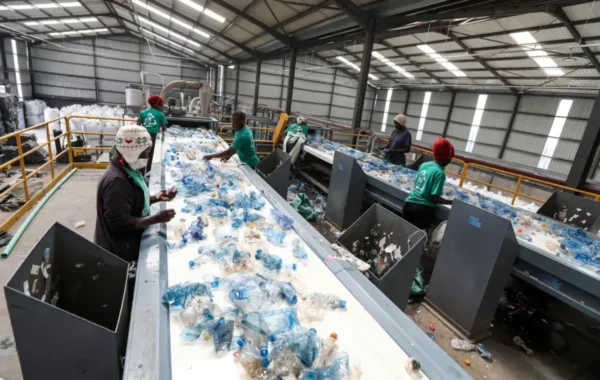
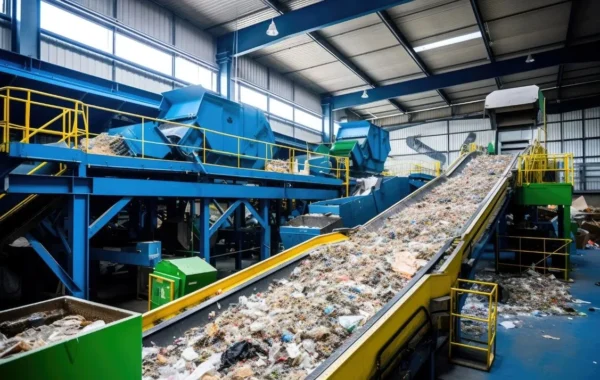
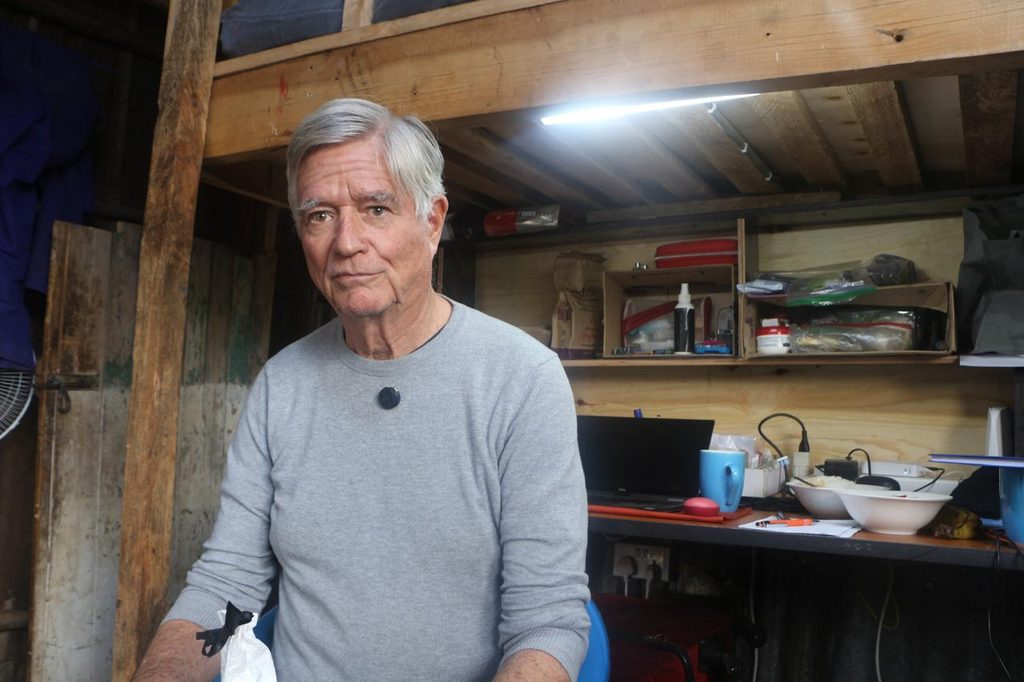
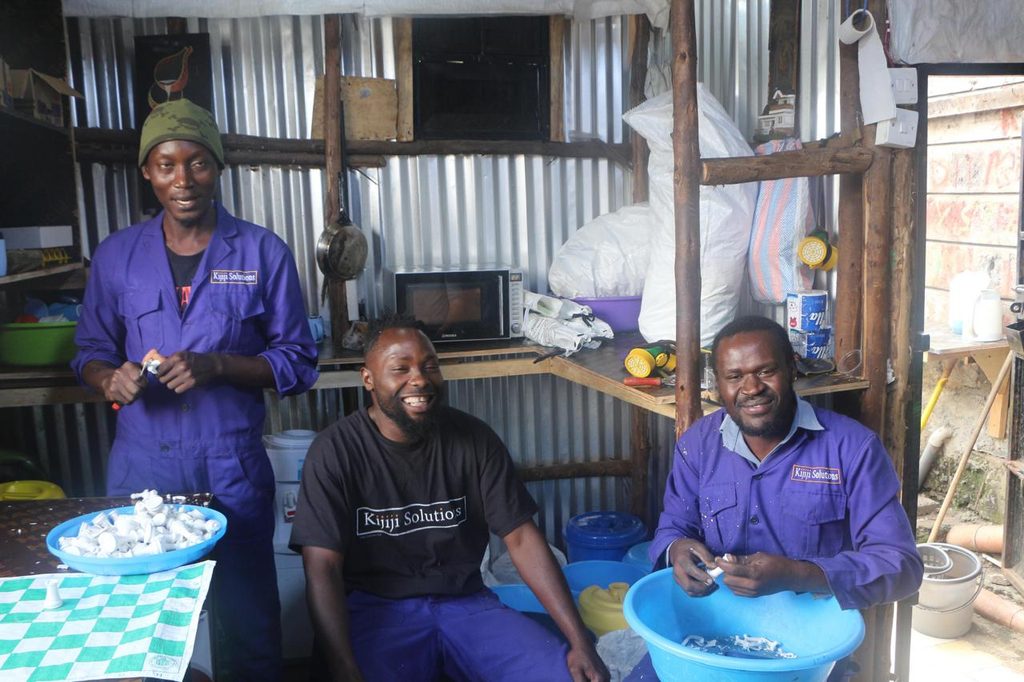
To bridge this structural gap, Kijiji Solutions collects and sorts plastic and other waste directly within Kibera before sending selected materials out for processing. Explaining the mechanical journey of the raw refuse, Richard Haukom, Founder and Executive Director of Kijiji Solutions, notes:
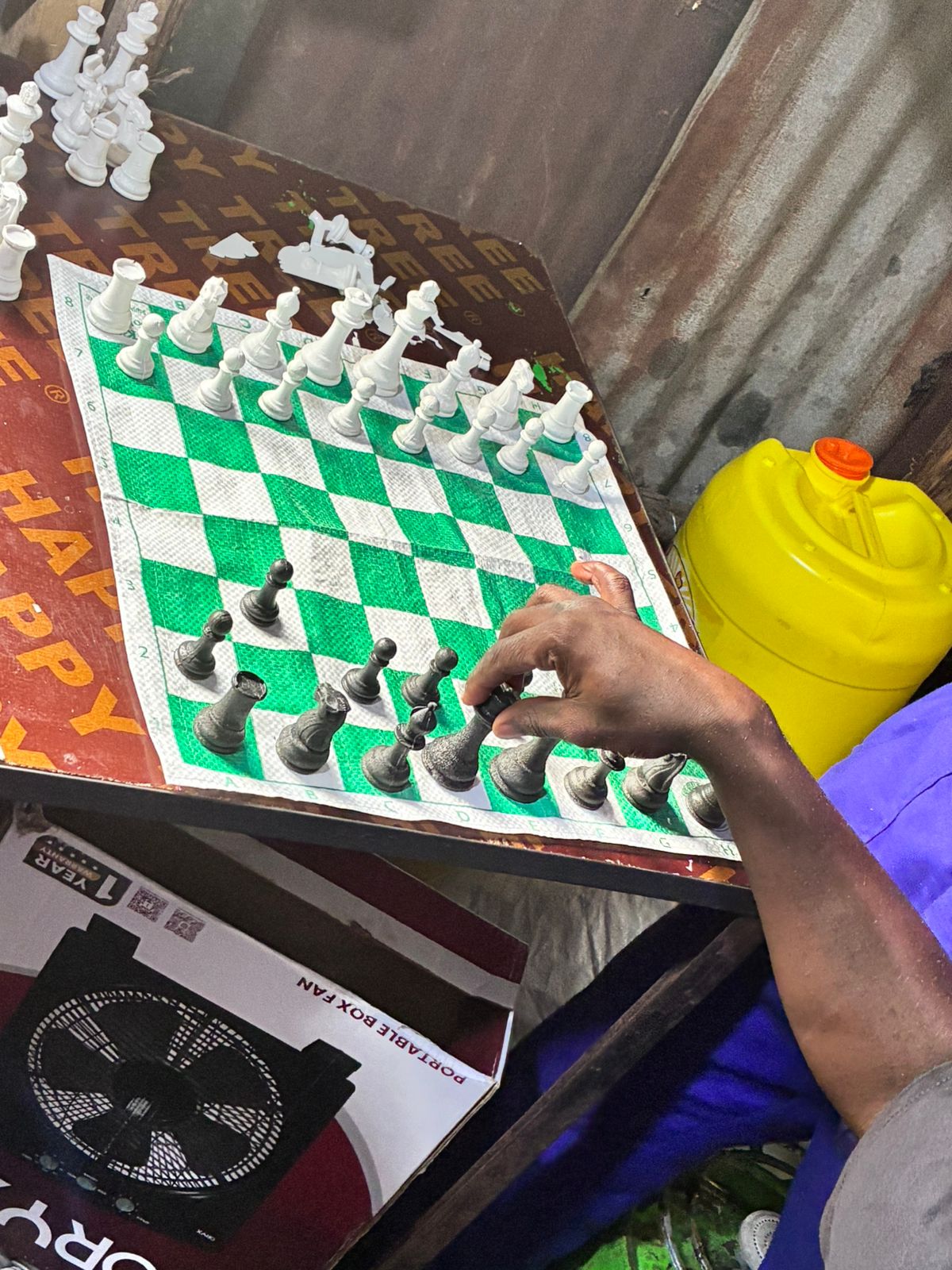
“It comes back to us after washing, shredding, and other processes as pellets that we use in our process, which is an extruder with moulds that we had custom-made here in Nairobi that are in the shape of chess pieces.”
Working in partnership with global initiatives like The Gift of Chess, the enterprise has recycled roughly 200 kilograms of plastic waste to produce nearly 2,000 tournament-quality sets. These sets are donated directly to local learning hubs, including the Centre of Hope School in Kibera, where chess has been formally integrated into the academic curriculum.
While acknowledging the modest scale of the physical clean-up, Haukom points out the broader symbolic impact: “The total amount of plastic removed, it’s more symbolic than it is impactful in terms of the plastic waste problem.”
For the school’s founder, Isabel Omondi, embedding the game into daily instruction has proven to be a catalyst for classroom engagement, observing that the strategic discipline required on the board encourages pupils to actively participate, sharpen their focus, and enjoy the learning process:
“It makes them to be attentive, to be active, to focus, to concentrate.”
Chess teacher Ian Ombati emphasises that the board serves as an absolute social equaliser within the community, stripping away economic disparities:
“Once they go to that board, it does not matter where you come from. It’s just your skills and your competence.”
Demonstrating the tangible academic dividends of regular play, eleven-year-old chess player Esther Mutua explained that continuous practice over the recycled boards has directly bolstered her academic performance, particularly in mathematics, while opening doors to competitive regional tournaments where she has earned medals and certificates. Describing her experience over the board, Mutua shared:
“When I started chess, I was not very good, so I always came for training every day. So after some months, I started improving in my academics.”
Echoing these cognitive benefits, nine-year-old player Markham Odhiambo notes that learning tactical patterns directly aids his mental clarity during classroom lessons and problem-solving exercises.
The circular industrial chain
The initiative operates on a closed-loop circular economy that converts negative environmental externalities into low-cost educational assets. Because individual chess pieces are small, the project currently uses a limited amount of plastic, though production could scale substantially if the organisation were able to meet rising institutional demand.
The boards themselves are printed on repurposed gunia sacks, which are grain bags commonly used in local markets, and paired with pouches sewn from repurposed fabric.
Rather than importing expensive polymer or wooden sets, which carry heavy freight costs, import tariffs, and commercial retail markups, localised recycling dramatically reduces unit manufacturing overhead. Haukom explains that the venture was built specifically to bridge the divide between ecological conservation and classroom empowerment, turning street litter into tools that teach strategy, patience, and critical thinking.
Following the capital and asset flows
Examining the underlying economics reveals how localised, social-impact manufacturing generates value across multiple tiers of the urban ecosystem.
Seed funding and social enterprise grants provide the initial capital required for processing equipment and workshop operations. Local youth groups and waste aggregators collect raw polypropylene from streets and drainage lines, receiving immediate financial compensation that injects liquidity into the informal economy.
Raw plastic is thus diverted from municipal landfills and drainage systems, reducing public environmental cleanup costs while creating an inexpensive industrial input. Kijiji Solutions absorbs early-stage equipment and distribution costs, delivering finished chess sets to schools and community centres. Community partners involved in the project view this resource circulation as proof that economic value can be harvested from the most neglected urban spaces.
Broad stakeholder impact
The economic and developmental dividends ripple far beyond the immediate manufacturing site. Students gain critical cognitive skills, such as patience, forward planning, and logical analysis, which educators report directly improves academic performance in STEM subjects. Schools and teachers secure durable, long-lasting teaching aids without exhausting sparse operational budgets.
Simultaneously, informal collectors in Kibera gain a reliable buyer for raw plastic materials, establishing direct financial incentives for community environmental remediation. Local government agencies benefit as well, seeing reduced plastic clogging in urban waterways and storm drains.
Strategic horizons
As local manufacturing capacity expands, meeting the growing demand across primary institutions could help divert hundreds or even thousands of additional kilograms of plastic from Nairobi’s waste stream. Decision-makers should monitor how grassroots circular ventures align with broader national education and environmental agendas.
One major milestone to watch is policy integration, specifically potential partnerships with national education boards to integrate recycled game sets into primary school curricula across East Africa. Another key vector is corporate ESG allocations, as consumer goods and telecommunications firms look to meet sustainability targets by funding plastic recovery and classroom distribution.
Expansion plans are already underway. Kijiji Solutions aims to scale its micro-manufacturing model beyond Kenya to regions facing similar environmental and educational pressures, challenging the enduring perception that chess is a game reserved exclusively for the wealthy.
By proving that environmental remediation can directly capitalise youth education, Kibera’s recycled chess initiative delivers a compelling blueprint for corporate leaders and policymakers: strategic circular design turns urban waste into long-term human capital.