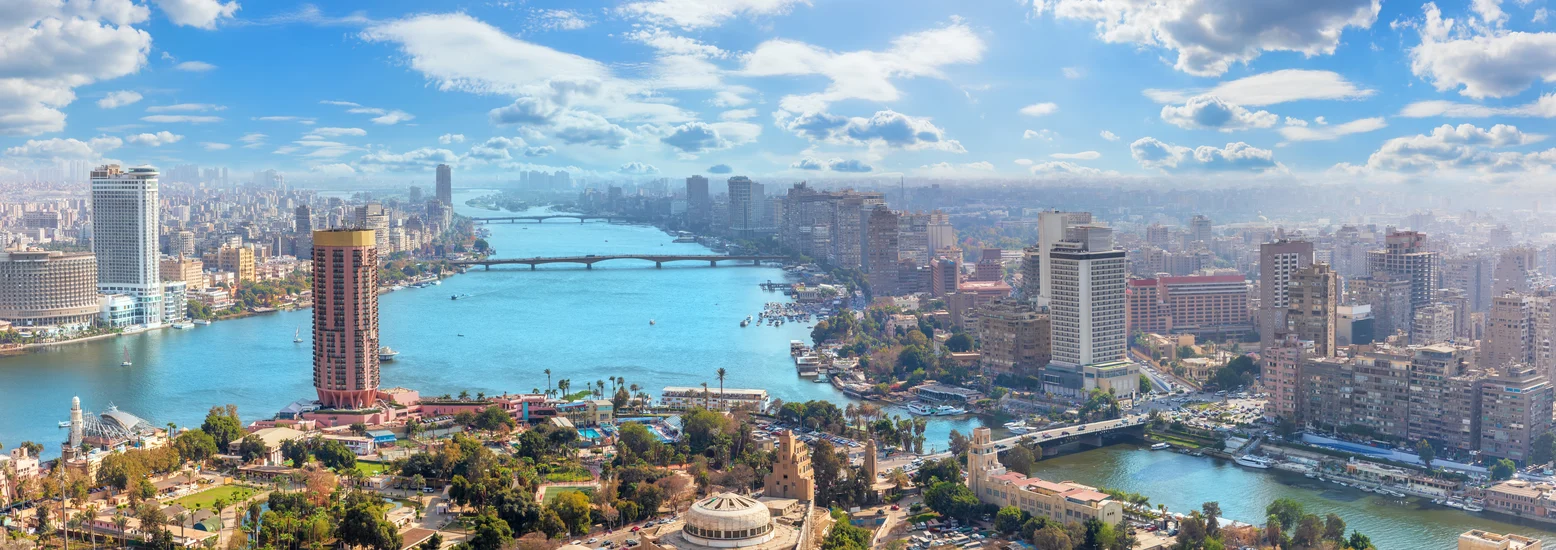
Hundreds of millions more people move into cities by 2050. As capital deficits and informal growth outpace infrastructure expansion, are Africa’s urban centres ready?
By The Ledger Editorial Desk
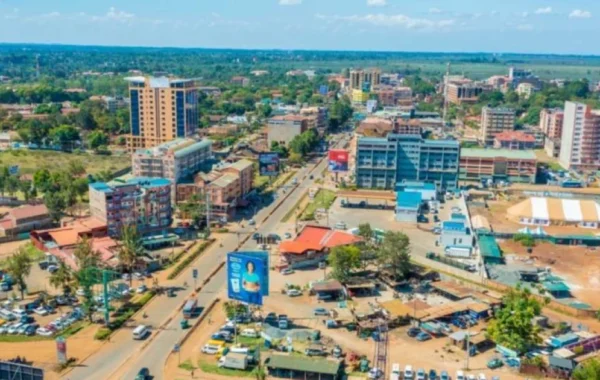
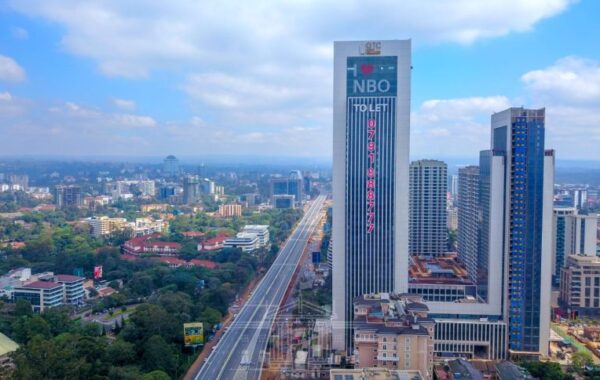
By 2050, more than 1.4 billion people, representing over half of Africa’s total population, reside in urban centres. The continent absorbs roughly 23 million new urban residents every single year, marking the fastest rate of urban migration in human history. Yet, beneath the soaring skyline photos of Nairobi, Lagos, and Johannesburg lies a structural vulnerability: African cities expand demographically without the corresponding industrialisation or capital formation that historically accompanies urban expansion in Europe or East Asia.
Former Prime Minister of Mozambique Luísa Dias Diogo addresses this demographic tipping point directly:
“By 2050, we will have 2.5 billion people in Africa, with 150 million young people under 25. Half of this population will be in cities that simply haven’t been prepared for such an influx. This isn’t just an African problem, it’s a global challenge that will determine how the world evolves.”
The question facing investors, municipal governments, and regional central banks is no longer when Africa’s urban century arrives, but whether its built environment and capital markets survive it.
The unprecedented spatial disconnect
For decades, global development policy views urbanisation as an inevitable byproduct of economic growth. In post-war Asia and mid-century Europe, industrial factory jobs pull rural workers into cities, generating productivity gains, expanding tax bases, and self-funding public infrastructure.
In sub-Saharan Africa, urban growth takes a radically different path. Driven primarily by rural-urban migration triggered by climate shocks, agricultural yield stagnation, and demographic momentum, people arrive in cities ahead of industrial capacity. Nearly 60% of Africa’s urban population lives in informal settlements, where essential services remain off-grid and unpriced by formal capital markets. The mismatch between physical population growth and municipal treasury capacity creates a staggering infrastructure financing deficit estimated by the African Development Bank at upwards of KSh13 billion to KSh19.5 billion (US$100 million to US$150 million) annually for core urban utilities alone.
Highlighting the sheer scale of future construction required, recent UN-Habitat analytical projections indicate that over two-thirds of the physical structures that comprise Africa’s cities in 2050 do not yet exist.
Examining the governance requirement, public policy analyst Raphael Obonyo states:
“Land governance and institutional capacities must be strengthened at all levels to promote transparency, accountability, and standardised procedures across the entire land administration system.”
Friction at the urban core
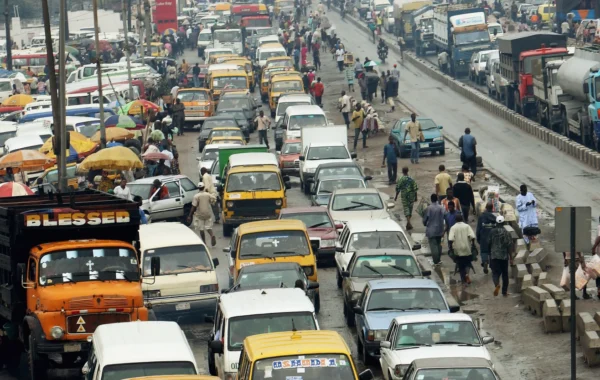
Urban density inherently creates economic value through agglomeration economies, reducing transaction costs, deepening labour pools, and creating liquid consumer markets. However, when urban density outpaces infrastructure, agglomeration transforms into severe economic drag.
A landmark World Bank structural report on African urbanisation, Africa’s Cities: Opening Doors to the World, details how urban centres across the continent stay caught in a persistent low-development trap. The study notes:
“Today, potential urban investors and entrepreneurs look at Africa and see crowded, disconnected, and costly cities. Such cities inspire low expectations for the scale of urban production and for returns on invested capital.”
Traffic congestion in Lagos alone costs the Nigerian economy an estimated KSh520 billion (US$4 billion) annually in lost productivity and wasted fuel. In Kenya, logistics companies face severe margin compression because the last-mile delivery cost within Nairobi often exceeds the freight cost of shipping goods across the Indian Ocean from Mumbai to Mombasa.
Without deep-tier capital expenditure on mass transit, water networks, and grid resilience, African cities operate as high-cost, low-productivity consumer hubs rather than engines of structural transformation.
Unpacking the financial undercurrents
To understand who wins and who carries the financial risk in Africa’s urban century, one follows the structural capital flows across the macroeconomic balance sheet.
Primary project capital shifts away from traditional sovereign debt, which remains constrained by widespread fiscal tightening, toward multilateral development finance institutions, blended finance facilities, and municipal green bonds. Domestic institutional investors, including pension funds across Kenya, Nigeria, and South Africa, face increasing pressure to underwrite long-term debt for revenue-generating urban assets such as water concessions, toll roads, and off-grid solar micro-grids.
Municipalities carry high foreign exchange risk when infrastructure debt is denominated in hard currencies like US Dollars or Euros while local tax revenues and user tariffs arrive in depreciated local currencies like Kenya Shillings or Nigerian Naira. Commercial real estate developers, cement and steel producers, off-grid utility operators, and digital logistics platforms sit directly in the primary value stream.
Andrew Alli, Partner at SouthBridge Group and former CEO of the Africa Finance Corporation, highlights how capital evaluates urban opportunity across the continent:
“The biggest cities aren’t always the best destinations for investment. It very much depends on what you’re looking for, the legal frameworks in place, and whether the municipal cash flows can genuinely back long-term capital.”
Corridor dynamics beyond borders
The urban challenge connects deeply to regional integration under the African Continental Free Trade Area. Cities are not isolated entities; they form critical trade corridors. The Abidjan-Lagos corridor, stretching across five West African countries, rapidly merges into a single urban-industrial megalopolis of over 40 million people.
Former African Development Bank President Donald Kaberuka addresses the necessity of shifting international market perception around this continent-wide economic expansion:
“I would like us to change the narrative to Africa as an opportunity for the rest of the world to grow their economies. Cities are where that consumption and industrial transformation will take place.”
If municipal governments fail to harmonise land tenure rules, digitise property registries, and integrate cross-border logistics infrastructure, regional economic friction erodes the trade advantages promised by the trade pact.
Capitalists, citizens, and the state
Addressing the operational dialogue between municipal leaders and institutional investors, Luísa Dias Diogo notes:
“When you approach the private sector with agendas where they see sustainable returns and regional stability, they engage. The key is awareness and dialogue. Municipal leaders need to sit with investors and say: ‘This is our city. We’re working here together. How do we solve these challenges?'”
On public administration and institutional coordination, William Asiko, Managing Director of the Africa Region Office at the Rockefeller Foundation, observes:
“African governments can do a lot more to coordinate the activities of non-state actors and to coordinate the resources to work much more efficiently in terms of what the government actually wants for urban growth.”
Highlighting the imperative for local empowerment in urban planning, Mayor Lídia Frederico Cossa Camela of Chókwè, Mozambique, remarks during a UN-Habitat resilience baseline study:
“Developing urban resilience action plans empowers local authorities, raises public awareness, and enhances the active participation of urban residents in decision-making to combat municipal risk.”
Signals on the economic horizon
As the continent hurtles through its urban century, decision-makers watch three critical structural levers:
First, national governments deciding whether to grant major cities direct access to capital markets via un-guaranteed municipal bond issuances and land-value capture mechanisms determine municipal fiscal viability.
Second, municipalities that successfully digitise land registries and integrate informal settlements into urban planning unlock billions in collateralised asset value. Less than 15% of land in sub-Saharan Africa currently carries official registration with formal title, leaving vast swathes of urban equity completely unbankable.
Third, with centralised utility grids struggling under load growth, the rapid commercial uptake of decentralised, off-grid water and solar utility models tailored for high-density urban areas redefines urban infrastructure delivery.