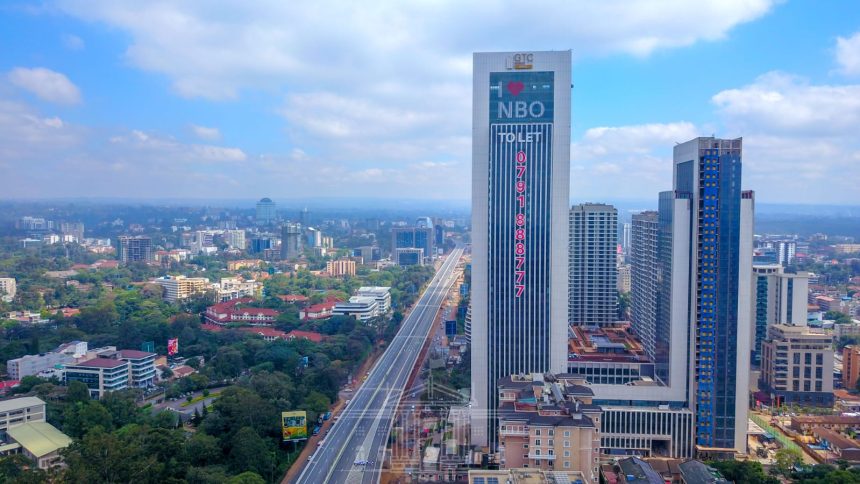
High rankings for East African capitals hide municipal vulnerabilities that threaten institutional capital, as global climate indices struggle to account for local drainage failures and constrained fiscal budgets
By The Ledger Team
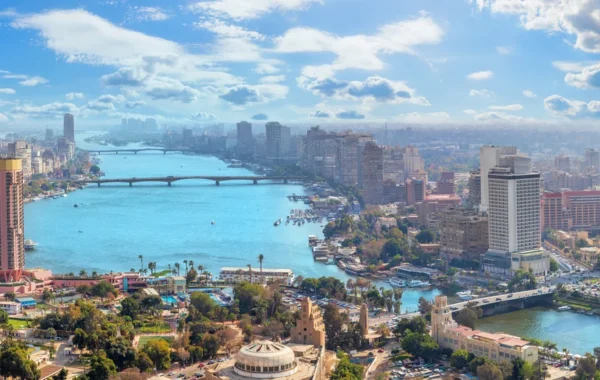
NAIROBI — On paper, East Africa looks remarkably resilient to climate shock. In the latest Global Investment Risk and Resilience Index published by Henley & Partners alongside geospatial consultancy AlphaGeo, Nairobi ranks tenth globally among major urban centres. Addis Ababa sits at number two. Across sub-Saharan Africa, geographical elevation and favorable climate topography offer a structural buffer against thermal stress and extreme weather.
For the residents of Nairobi’s informal settlements, however, paper resilience counts for little when the rivers burst their banks.
The contrast between index rankings and ground reality highlights a growing problem for institutional investors evaluating African market risk. While global models measure natural topography and long-term structural geography, they frequently miss the urban governance failures that convert routine rainfall into economic disaster.
                                      CLIMATE RISK & RESILIENCE INDEX (2026)
                                            Selected African Urban Rankings

         ┌───────────────────────────────────────────────────────────────────────────────────┐
  #2     │ Addis Ababa                                                                        │
         ├───────────────────────────────────────────────────────────────────────────────────┤
  #10    │ Nairobi                                                                           │
         ├───────────────────────────────────────────────────────────────────────────────────┤
  #19    │ Cairo                                                                             │
         ├───────────────────────────────────────────────────────────────────────────────────┤
  #20    │ Johannesburg                                                                      │
         └───────────────────────────────────────────────────────────────────────────────────┘
         Source: AlphaGeo / Henley & Partners Risk & Resilience Index
The natural sponge vs. paved infrastructure
Nairobi’s entry into the global top ten relies on a historical quirk of geography. The city took its name from the Maasai phrase Enkare Nyirobi—the place of cool waters—because it was built over a natural network of wetlands, rich soils, and river channels fed by the Nairobi River basin.
AlphaGeo’s underlying methodology treats these natural features as giant sponge networks capable of absorbing excess precipitation and mitigating surface heat.
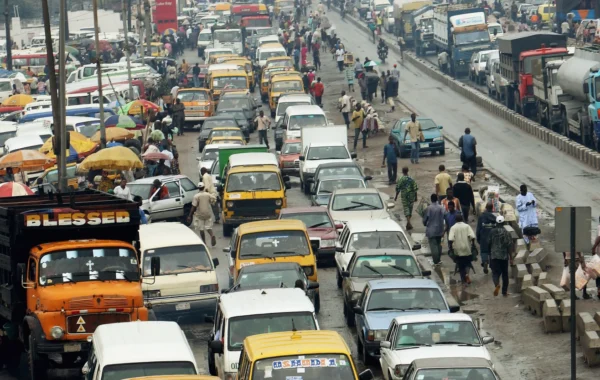
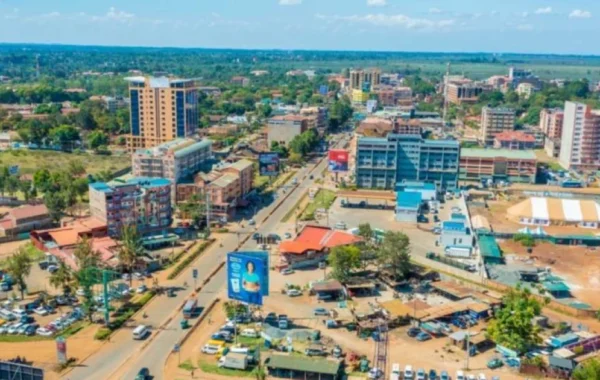
Yet rapid urbanisation has altered the mechanics of the basin. Unregulated high-density real estate developments have paved over natural floodplains, replacing absorbent soil with concrete. Stormwater runoff now flows directly into overburdened drainage channels rather than seeping into the ground, while wetland encroachment along river corridors has stripped the capital of its natural capacity to regulate heavy flows.
When severe flooding struck Nairobi in March 2026, leaving 37 people dead and disrupting logistics across the industrial area, the city’s theoretical climate buffer collapsed within hours. The disaster demonstrated how unmanaged expansion can turn environmental advantages into infrastructural liabilities.
Global shocks and the sovereignty premium
The wider Henley & Partners index reflects a global market undergoing rapid repricing. Triggered by escalating conflict in the Middle East and rising energy volatility, global investors are adjusting risk premiums across emerging and developed markets alike.
While middle-income industrial hubs such as India (up 40 places to 64th) and Morocco (up 28 places to 70th) gained ground through strategic trade positioning, sub-Saharan Africa presents a more nuanced risk portrait.
| Region / Asset Class | Key Market Drivers | Investor Takeaway |
| East Africa (Kenya/Ethiopia) | High natural elevation; structural vulnerability in municipal drainage; high fiscal debt burden. | Geography lowers baseline climate risk, but municipal execution risk remains high. |
| North Africa (Morocco/Egypt) | Strategic proximity to European trade corridors; expanding renewable capacity; urban density exposure. | Better infrastructure integration, though vulnerable to Mediterranean climate trends. |
| Traditional Safe Havens | Persistent policy discipline (Switzerland #1, Denmark #2); rising energy costs impacting Europe. | Top-tier stability remains intact, but growth yields are compressing. |
Institutional capital is moving away from broad regional generalizations, focusing instead on city-level resilience and municipal execution.
Converting topography into asset protection
For Kenya, bridging the gap between its #10 ranking and local infrastructure realities is becoming a commercial necessity. Institutional foreign direct investment (FDI) into East African logistics, commercial real estate, and light manufacturing increasingly depends on physical asset security.
       NATURAL TOPOGRAPHY                       MUNICIPAL REALITY
  ┌───────────────────────────┐           ┌───────────────────────────┐
  │ High elevation (1,795m)   │           │ Rapid urban concrete growth│
  │ Natural wetland drainage  │   VS.     │ Encroached river corridors│
  │ Moderate thermal stress   │           │ Inadequate drainage grids │
  └─────────────┬─────────────┘           └─────────────┬─────────────┘
                │                                       │
                └───────────────────┬───────────────────┘
                                    │
                                    ▼
                      INVESTOR EXPOSURE & ASSET RISK
The Nairobi Rivers Commission has outlined plans to rehabilitate urban waterways and enforce building bans along critical floodplains. However, municipal authorities face a persistent fiscal bottleneck: municipal budgets remain constrained by national debt servicing obligations, limiting funds available for large-scale drainage projects.
Natural geography buys time, but it does not replace municipal engineering. Until East African capitals match their environmental assets with urban infrastructure, their high standing on global risk indices will remain a paper advantage.