As headline inflation ticks up to 6.8 per cent, the underlying mechanics of domestic value chains and regional distribution networks reveal why monetary policy alone cannot fix East Africa’s enduring cost-of-living squeeze.
By Ledger Team
Kenya’s cost of living has entered a sharper, less forgiving phase. Data released by the Kenya National Bureau of Statistics (KNBS) places the annual headline inflation rate at 6.8 per cent for September 2026, up from 6.6 per cent in August.This marks the third consecutive monthly increase and pushes the index to its highest level since January 2024.
For households, corporate boardrooms, and policymakers across the country, the headline number is more than a statistical marker. It is a direct measurement of margin compression, eroding purchasing power, and structural friction running through East Africa’s largest economy.
Context
The acceleration to 6.8 per cent means inflation has now sat comfortably above the midpoint of the Central Bank of Kenya target band. According to the Central Bank of Kenya (CBK) weekly bulletins, the upward movement during the month was largely catalyzed by an increase in core inflation—which excludes volatile food and energy items—ticking up to 4.0 per cent from 3.4 per cent, driven heavily by processed food products.
Unlike previous inflationary cycles driven purely by global supply chain shocks or singular weather anomalies, current pressures are deeply entrenched in domestic distribution networks, energy pricing formulas, and structural logistics costs. Food and transport remain central to this upward trajectory, maintaining heavy weightings across the country’s major consumer expenditure categories from Mombasa to Kisumu.
The economics
To understand why the cost of living feels persistently heavy despite a stable macroeconomic facade, one must examine the mechanics of domestic value chains.
Data from KNBS highlights that staple items registered notable month-on-month gains. UHT long-life milk climbed to average KSh 61.64 per 500ml packet, up from KSh 57.08, while fresh packeted and unpacketed cow milk rose between 5.8 per cent and 6.0 per cent. White wheat flour advanced 4.5 per cent to KSh 181.11 per 2kg packet, up from KSh 173.35, driven by farm-gate supply constraints and milling overheads in key agricultural hubs.
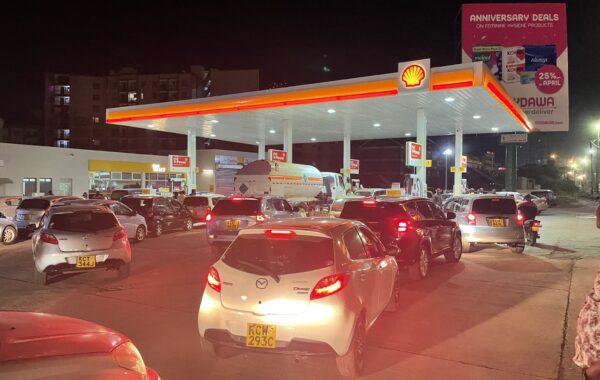
Simultaneously, transport and energy divisions continue to exert pressure on consumer wallets. Even as international petroleum prices experience periodic lulls, domestic pump prices remain burdened by value-added taxes, road maintenance levies, and the cascading cost of commercial logistics along major transit corridors.
Conversely, housing, water, electricity, gas, and other fuels have shown relative moderation, aided by minor adjustments in electricity tariffs. However, this isolated relief has done little to offset the broader erosion of urban and rural disposable incomes alike.
The money
Following the money across the consumer landscape reveals where value is created and where deadweight losses accumulate.
The economic value of agricultural commodities originates in rural production zones, such as the Rift Valley for grain and dairy or central farmlands for horticulture, before moving through a fragile chain of intermediaries, transport operators, and wholesale markets like Wakulima in the capital or municipal markets in Nakuru and Eldoret. At each node, energy and transport costs act as a hidden tax.
When transportation costs escalate across regional transit routes, the expense of moving produce from farm gate to regional market shelf multiplies. Retailers cannot entirely absorb these logistics premiums without threatening solvency, passing the burden down to the end consumer.
As a result, corporate entities dealing in fast-moving consumer goods face a difficult choice: either hike retail prices and risk demand destruction as consumers scale back basket sizes, or absorb the costs and watch operating margins contract.
The stakeholders
Urban and rural households bear the brunt of the squeeze. With core inflation ticking up to 4.0 per cent, underlying price pressures mean everyday non-food essentials are demanding a larger share of household budgets from the coast to the border towns. Small and medium enterprises and independent regional retailers face compressed margins. While turnover may look nominally stable due to higher price tags, real unit volumes are frequently declining.
The Central Bank of Kenya faces a distinct policy dilemma. With inflation moving upward within the target range, the Monetary Policy Committee faces mounting pressure to balance interest rate trajectories to anchor expectations without choking fragile private-sector credit growth across manufacturing and agricultural sectors.
What comes next
Attention now shifts to upcoming monetary policy deliberations and fourth-quarter weather patterns.
If agricultural yields benefit from predictable short rains across key growing zones, food inflation could stabilize heading into the festive season. However, any unexpected currency volatility or shifts in global energy markets will instantly ripple through Kenya’s import-dependent fuel and manufacturing sectors.
For business leaders and policymakers, the message is clear: managing consumer price pressures requires structural reforms that go beyond monetary tinkering, targeting the logistical bottlenecks, taxation structures, and energy inefficiencies that dictate the true cost of enterprise across East Africa.