A historic 10-year Formula 1 agreement anchors Kigali’s wider economic strategy to accelerate infrastructure development, expand regional aviation capacity, and establish East Africa as a global premier sports tourism hub.
By The Ledger Explains
Rwanda has secured a landmark 10-year agreement to host Formula 1, bringing the premier international motorsport series back to the African continent for the first time since 1993. This explainer examines the financial and institutional mechanics behind the deal, the infrastructure strategy driving the Bugesera circuit, and the economic calculus underpinning East Africa’s most ambitious sports tourism gamble.
The short answer
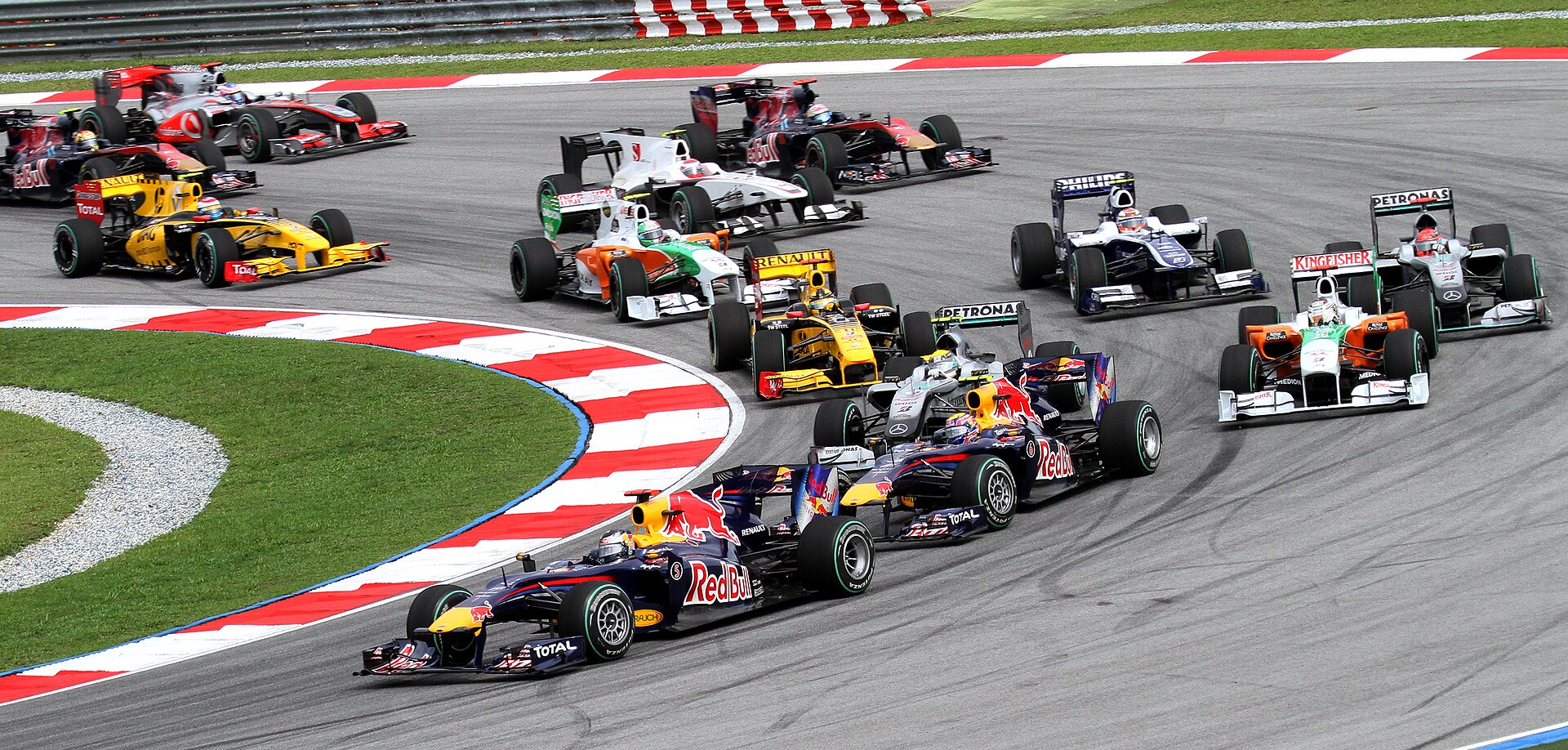
Formula 1 is returning to African soil. Under a historic 10-year agreement finalized between the Government of Rwanda and Formula 1 leadership, the country will host the official African Grand Prix starting in the early 2030s.
Rather than modifying an existing street track or adapting older infrastructure, Rwanda is constructing a dedicated, multi-purpose circuit from scratch in Bugesera, situated 40 kilometres south of the capital city, Kigali.
The project is structured not merely as a weekend sporting showcase, but as a core anchor investment designed to catalyze tourism, expand national aviation capacity, stimulate job creation, and attract foreign direct investment across the broader East African region.
| Infrastructure Node | Operational Capacity & Purpose | Macroeconomic Impact |
| Bugesera International Airport | Passenger scaling from 1.5M to 7M annually; direct international logistics hub | Accelerated air transport & regional trade |
| Bugesera F1 Circuit & Park | Designed by Alex Wurz; year-round multi-purpose exhibition & racing complex | MICE sector growth & sports tourism revenue |
| Regional Ecosystem | Cross-border hospitality, aviation corridors, and tour integration | EAC trade multiplier & local job creation |
Anatomy of a high-speed contract
Securing a spot on the 24-race global Formula 1 calendar requires navigating a highly complex matrix of legal, financial, and technical arrangements. It involves four primary counterparties: Formula One Group (Liberty Media) as the commercial rights holder, the FIA (Fédération Internationale de l’Automobile) as the safety and sporting governing body, the host entity representing government authorities, and private sector capital providers funding adjacent commercial developments.
To host a Grand Prix, a promoter must pay an annual sanctioning fee to Formula 1, which typically ranges between KSh 4.5 billion ($35 million) and KSh 7.1 billion ($55 million) annually for modern non-traditional venues, often escalated by 3% to 5% per year.
For Rwanda, the operational model relies on integrating the race directly into a broader, state-led infrastructure master plan. The circuit is situated adjacent to the under-construction Bugesera International Airport. This geographical co-location is deliberate. The new airport facility is engineered to expand Rwanda’s air passenger throughput from 1.5 million to nearly 7 million passengers annually.
By building the circuit right next to this transport hub, the government creates an immediate, seamless corridor for foreign spectators, racing teams, media crews, and VIP hospitality clients, avoiding the transport bottlenecks that frequently strain urban host cities.
Designed by former Formula 1 driver Alexander Wurz, the circuit utilizes a scenic terrain situated between two natural hills and an adjacent lake. Crucially, the facility is designed as a multi-purpose complex.
Rather than leaving a multi-million-dollar venue inactive for 50 weeks of the year, the Bugesera track will feature permanent exhibition spaces, concert arenas, fan zones, and secondary motorsport facilities. This approach creates year-round commercial revenue streams from corporate conventions, trade fairs, and local automotive events.
Mapping the capital grid
While final capital expenditure figures remain subject to ongoing technical reviews between Rwandan authorities and Formula 1, hosting a modern Grade 1 circuit requires capital deployment across four distinct operational pillars:
| Capital Pillar | Estimated CapEx Share | Description & Functional Purpose |
| Track & Safety Paddock Construction | 40% to 45% | FIA Grade 1 layout, pit garages, telemetry, and paddock club suites |
| Airport, Transport Links & Civil Works | 25% to 30% | High-voltage grids, road linkages, and direct airport access corridors |
| Hospitality, Hotels & Media Facilities | 15% to 20% | Executive lodges, eco-resorts, press hubs, and spectator zones |
| Sanctioning & Operational Commitments | 10% to 15% | Long-term host license fees and multi-year contract guarantees |
Track and paddock construction represents the primary cost, requiring an FIA Grade 1 compliant circuit complete with high-friction asphalt, telemetry systems, pit garages, paddock club suites, and extensive runoff zones. This phase typically requires between KSh 32 billion ($250 million) and KSh 65 billion ($500 million) in direct construction costs.
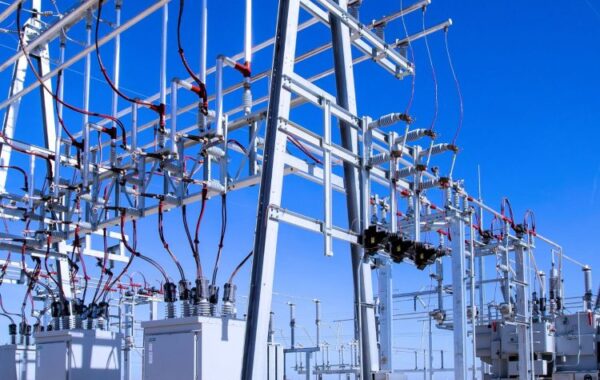
Civil works and utilities form the second pillar, covering high-voltage power grids, fiber-optic data backbones, water management systems, and access highways linking Kigali to Bugesera.
Hospitality infrastructure involves building luxury hotel inventory, executive lodges, and eco-tourism resorts around the lakeside perimeter to accommodate high-net-worth international visitors.
Annual sanctioning fees represent long-term contractual commitments guaranteed by state backing or joint-venture financing mechanisms over the 10-year term.
East Africa’s new regional engine
The return of Formula 1 to Africa ends a decades-long absence. The continent last hosted a Grand Prix in 1993 at the Kyalami Circuit in South Africa.
Rwanda’s successful bid, edging out competing proposals from established markets like South Africa and Nigeria, underlines a noticeable shift in Africa’s sports economy.
| Era / Event | Host Venue | Commercial Structure & Status |
| 1993 African Grand Prix | Kyalami Circuit, South Africa | Last F1 race hosted on African soil |
| Early 2030s African Grand Prix | Bugesera Circuit, Rwanda | 10-year agreement anchoring national tourism strategy |
For Kenya and the wider East African Community (EAC), the project offers clear regional commercial spillover benefits across several sectors.
In regional aviation synergy, with Kigali serving as a central transit point, regional carriers like Kenya Airways and RwandAir stand to gain from elevated passenger volumes across the Nairobi to Kigali corridor during race weekends.
For cross-border multi-destination tourism, international travelers attending the African Grand Prix are likely to combine motorsport itineraries with regional wildlife safaris in Kenya’s Maasai Mara or gorilla trekking in Rwanda’s Volcanoes National Park.
Regarding supply chain and services integration, construction firms, event management agencies, and hospitality specialists across East Africa will have access to procurement and service delivery contracts surrounding the venue’s development.
Balancing operational risks
Who Benefits
The Rwandan state gains invaluable international branding, accelerating its long-term strategy to establish Kigali as Africa’s premier Meetings, Incentives, Conferences, and Exhibitions (MICE) capital. Local and regional service sectors such as hotels, transport operators, restaurants, and logistics providers capture substantial seasonal revenue spikes. The employment market sees direct technical employment through construction and facility management, alongside longer-term jobs in tourism and venue operations.
Who Pays
Upfront capital expenditure is underwritten by the state in partnership with private equity, real estate developers, and corporate consortiums.
What Can Go Wrong?
Large-scale infrastructure projects frequently encounter material cost overruns, particularly given complex FIA safety and engineering specifications. If the multi-purpose commercial model fails to secure regular non-F1 events, maintaining an FIA Grade 1 circuit can create ongoing fiscal strain. Aligning the race date with local weather conditions to avoid Rwanda’s heavy rainy seasons while coordinating with Formula 1’s logistically dense global travel schedule requires delicate multi-year planning.
The takeaway
Rwanda’s 10-year Formula 1 deal is far more than an elite sporting showcase; it is a calculated, long-term macroeconomic investment in national infrastructure, aviation, and trade.
By directly pairing the Bugesera circuit with a new international airport and a year-round venue strategy, Kigali is placing a major bet that global exposure and sports tourism will yield long-term dividends across the entire East African economy.