Kenya’s top-line output continues to expand, but population growth and stagnant productivity leave real incomes running on a treadmill.
By Kirimi Mbogo
NAIROBI—Consider a small, revealing metric buried deep in the sub-national balance sheets of East Africa’s pre-eminent economy: real output per worker in smallholder agriculture—a sector claiming roughly 40 per cent of the national workforce—sits at virtually the same level today as it did a decade ago.
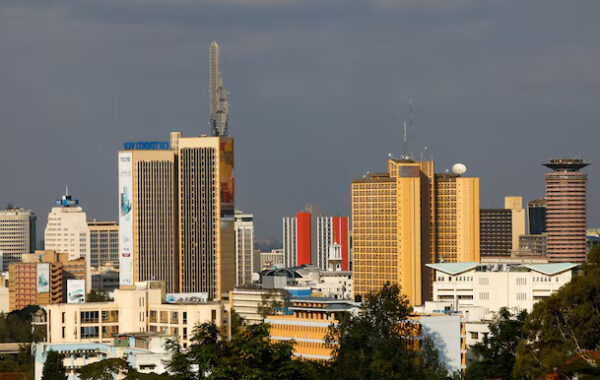
Gross domestic product expanded by 4.6 per cent in 2025, following a 4.7 per cent expansion in 2024, according to the Kenya National Bureau of Statistics (KNBS). To technocrats writing reports in Washington and Geneva, such figures paint a picture of enviable resilience in a region prone to climate shocks and fiscal paralysis. Yet inside the country, the mood is decidedly tepid. The disconnect between headline growth numbers and daily material conditions is the defining economic conundrum of modern Kenya. Aggregate growth is real; its distribution, however, is thin, diluted by relentless demographic pressure and structural stagnation.
The core issue lies in the simple, unforgiving arithmetic of population dynamics. Kenya’s population expands by roughly 1.9 per cent annually, adding well over one million young entrants to the labour pool every twelve months. Subtract baseline population growth from top-line economic expansion, and real per-capita GDP growth collapses to an uninspiring 2.5 per cent. At that rate, doubling real individual incomes takes nearly a generation. The economy is moving forward, certainly, but on a treadmill.
“For the basics of human material well-being including health, nutrition, shelter, and water, growth is not just a helpful byproduct, but an empirically sufficient and necessary condition,” notes Dr Kwame Owino, Chief Executive of the Institute of Economic Affairs (IEA Kenya) in Nairobi. “However, the quest for ‘better’ growth can become a dangerous distraction if we fail to realise that without high per-capita GDP, no country achieves high standards in these fundamental areas.” Owino has repeatedly warned of “an economy that refuses to grow for the people”, stressing that “if you analyse per-capita income growth adjusted for local living costs, the average household is barely holding the line while dividing value among significantly more mouths every year.”
                 REAL GDP GROWTH VS PER-CAPITA GROWTH

     6.0% +-------------------------------------------------------+
          |                                                       |
     5.0% |     *-----------* (4.7%)       *-----------* (4.6%)   | Real GDP
          |    /                         /                        |
     4.0% |   /                         /                         |
          |  /                         /                          |
     3.0% | /                         /                           |
          |*                         *                            |
     2.0% | | (2.7%)                 | (2.5%)                     | Per-Capita
          | |                        |                            |
     1.0% +-+------------------------+----------------------------+
            2024                       2025

     Source: World Bank, Kenya National Bureau of Statistics
This dynamic is further compounded by stagnant total factor productivity. Capital accumulation—largely driven by heavy public infrastructure investments over the past decade—accounted for the bulk of recent gains. Yet bridges, railways and port expansions do not automatically yield efficiency unless private enterprise absorbs the new capacity. Outside of corporate pockets in Nairobi, Mombasa and Eldoret, capital intensity remains low.
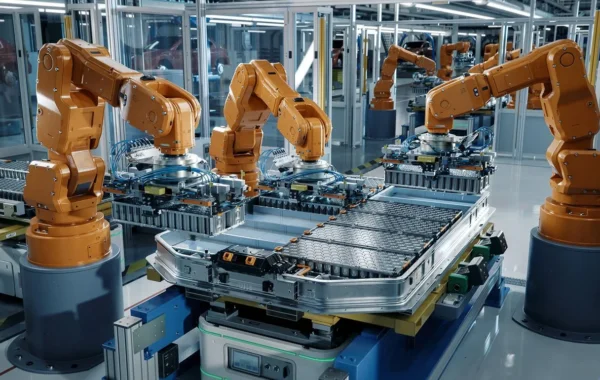
Labour productivity gains have been similarly constrained. The industrial base, which historically provided high-productivity employment during Asia’s economic transformation, has seen its share of GDP stagnate. Instead of transitioning from low-yield agriculture to high-yield manufacturing, rural labour is shifting almost entirely into low-end services.
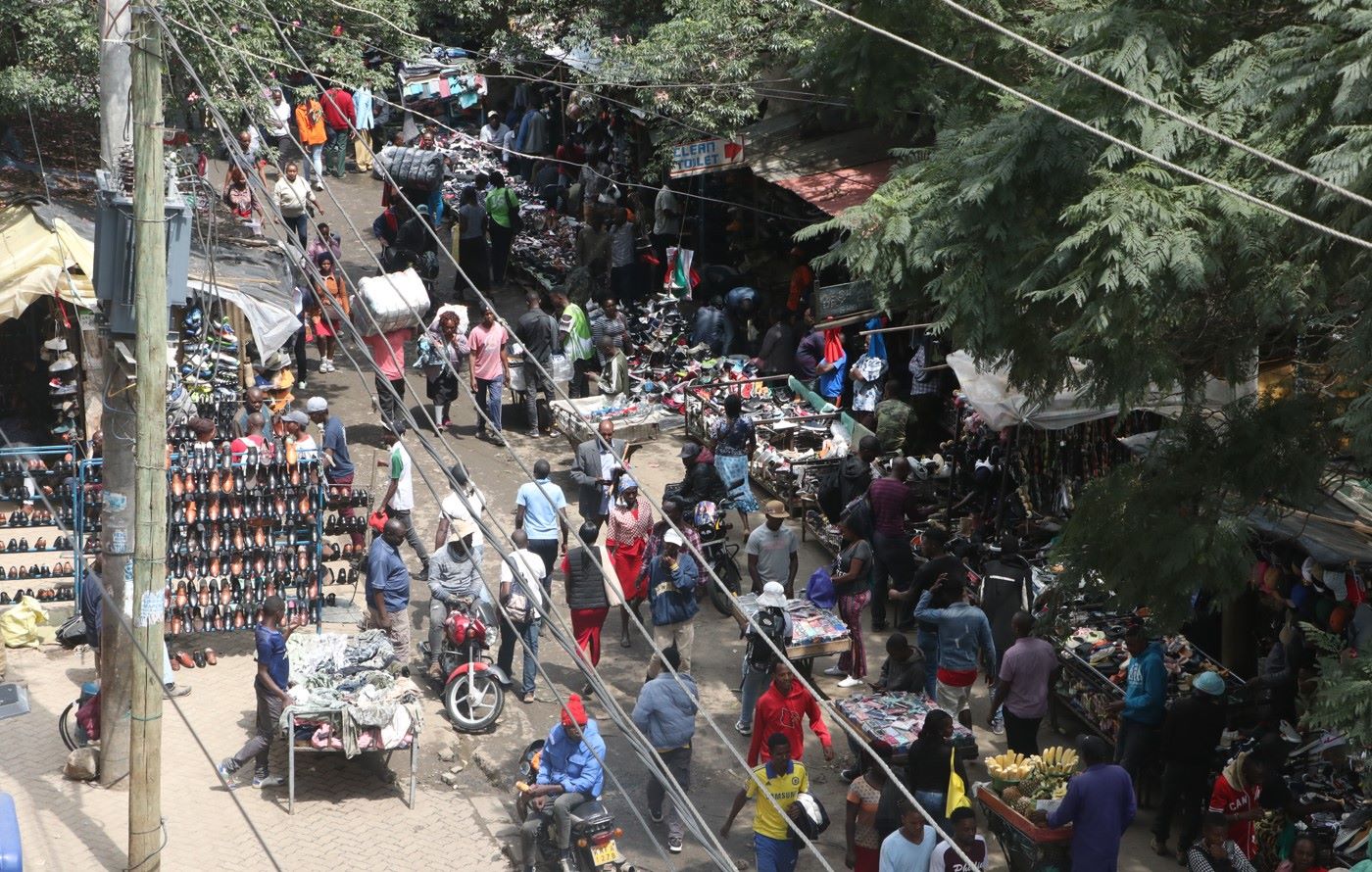
“What we are observing in many sub-Saharan markets is not structural transformation in the classical sense,” notes trade economist Jane Karonga. “It is a lateral transfer of underemployed labour from farms to urban kerbsides. Moving from an uncapitalised plot to selling imported consumer goods on a street corner increases an individual’s immediate cash income slightly, but it contributes very little to nationwide total factor productivity.”
The employment landscape reflects this structural deficit. Headline unemployment figures hover around modest levels only because they hide the vast scale of informal work. More than 80 per cent of working Kenyans operate in the informal sector, characterised by unpredictable wages, absence of contracts and minimal capital backing.
┌────────────────────────────────────────────────────────────────────────┐
│                        KENYAN LABOUR FORCE BREAKDOWN                   │
├────────────────────────────────────────────────────────────────────────┤
│                                                                        │
│  [ Informal Employment ]  █████████████████████████████████  83.8%     │
│  (18.1 Million Workers)                                                │
│                                                                        │
│  [ Formal / Modern Sector ]  ███████  16.2%                            │
│  (3.5 Million Workers)                                                 │
│                                                                        │
├────────────────────────────────────────────────────────────────────────┤
│  Annual New Job Creation (822,100 total):                              │
│  • Informal Sector Addition:  87.2%  (716,800 jobs)                    │
│  • Modern Formal Sector:       12.8%  (105,300 jobs)                    │
├────────────────────────────────────────────────────────────────────────┤
│  Source: Kenya National Bureau of Statistics (Economic Survey)         │
└────────────────────────────────────────────────────────────────────────┘
Each year, an estimated 800,000 to 1,000,000 young people enter the job market. The formal economy—burdened by high energy costs, complex tax administration and expensive credit—absorbs a tiny fraction of them. The remaining vast majority are absorbed into micro-enterprises (politicians, predictably, praise this as “entrepreneurial hustle”, though it is more accurately termed forced self-employment).
| Key Economic Metric | Rate / Share | Context & Structural Impact |
| 📈 Real GDP Growth | 4.6% | Baseline expansion remains positive across core service sectors. |
| 👥 Population Growth | 1.9% | High birth rates dilute top-line macroeconomic gains annually. |
| 📉 Per-Capita GDP Growth | 2.5% | Real individual income growth remains constrained for households. |
| 🏗️ Informal Employment | 83.8% | Widespread reliance on vulnerable, low-productivity self-employment. |
| 🛒 Inflation Rate (CPI) | 6.6% | Elevated baseline costs reduce household purchasing power for goods. |
“The formal economy is simply struggling to create opportunities at the scale required,” explains Dr Samuel Nyandemo, a senior economics lecturer at the University of Nairobi. “When you educate a generation of youth and offer them limited options outside driving motorcycle taxis or hawking mobile phone accessories, it represents a massive structural drag on human capital deployment.”
This earnings squeeze directly impacts household welfare. While consumer price inflation has moderated to roughly 6.6 per cent, the cumulative price increases over recent years have permanently elevated the cost of basic baskets. Food expenditures continue to consume over 40 per cent of the average household budget, leaving little disposable income for education, healthcare or savings.
Fiscal constraints limit the state’s capacity to intervene. Public debt service consumes a massive fraction of ordinary revenues, restricting discretionary spending on capital assets and social safety nets. Recent tax measures designed to broaden the domestic revenue base have concentrated fiscal pressure on the narrow cadre of formally employed workers and registered businesses, dampening private investment and hiring.
The path forward requires shifting policy focus from aggregate output metrics to structural productivity. Expanding high-value agricultural processing, streamlining regulations for medium-sized enterprises, and reducing energy tariffs for manufacturers are essential steps to generate formal employment.
Without these reforms, Kenya risks remaining in a high-growth, low-development equilibrium: generating impressive macroeconomic headline statistics that fail to alter the daily economic reality for the majority of its citizens.